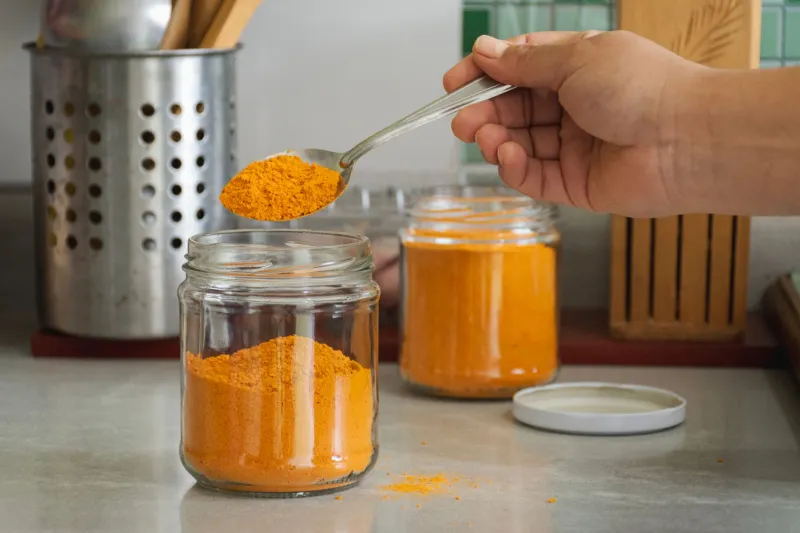
Why Your Jar of Garam Masala Costs More Online Than a Plane Ticket to Buy It Yourself
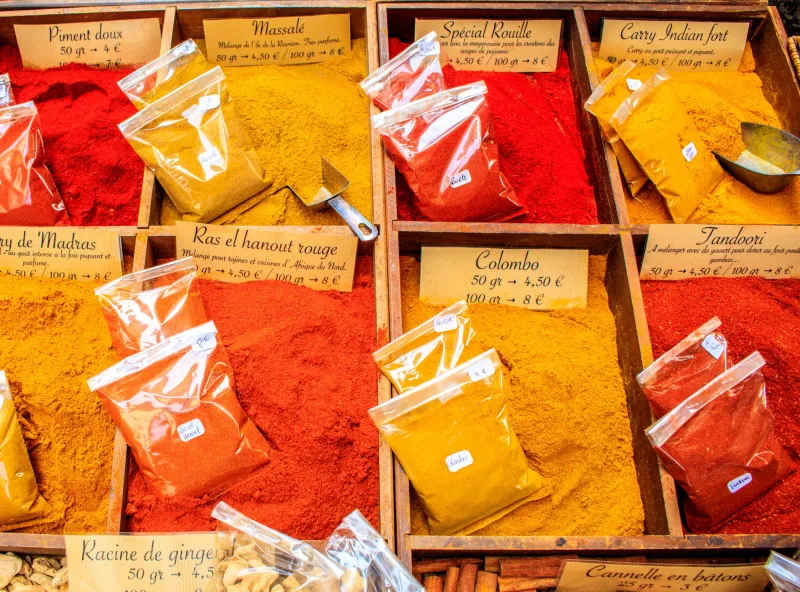
You've done the math. You know it. That 100-gram bottle of garam masala on your favorite desi e-commerce site is running you $8, sometimes $10. Meanwhile, your cousin in Hyderabad just sent you a voice note laughing — she picked up the same brand at her neighborhood kirana store for the equivalent of $1.20.
So what gives? Is someone ripping you off? Are desi online sellers just pocketing the difference and laughing all the way to the bank?
Short answer: no. Long answer: buckle up, because the real economics behind desi spice pricing in America are genuinely wild.
It Starts Before the Spice Even Leaves India
Let's begin at the source. A seller in the US who wants to stock Indian spices isn't just calling up a vendor and shipping a box over. The moment a food product is destined for American shelves — physical or digital — it enters a gauntlet of regulatory requirements that cost real money.
The FDA requires that all food imports meet specific labeling standards: ingredient lists in English, nutritional facts formatted to US guidelines, allergen disclosures, and net weight in both metric and imperial units. If the original packaging doesn't meet those standards — and most Indian retail packaging doesn't — someone has to repack, relabel, or redesign. That's labor, materials, and time.
Then there's the import duty. Spices and processed food products from India can carry tariffs ranging from 2% to 10% depending on classification, plus applicable customs processing fees. On a large shipment, that's manageable. On a small batch from an indie desi seller trying to stay nimble? That percentage hits hard.
The Certification Nobody Talks About
Here's a cost that almost never comes up in casual conversation: food safety certifications.
Many US retailers — and increasingly, online marketplaces — require suppliers to carry certifications like FSMA (Food Safety Modernization Act) compliance documentation, or third-party audits like SQF or BRC. For a small desi seller sourcing from a family-run spice mill in Rajasthan, getting that mill certified, or sourcing from one that already is, adds a meaningful premium to the product cost before a single jar is even filled.
Organic and non-GMO certifications layer on top of that. If a seller is marketing their haldi as organic — which a growing number of American consumers specifically want — they're paying for USDA organic certification on the source material. That certification doesn't come free.
Cold Chain, Spoilage, and the Freshness Tax
Spices are more fragile than people think. Heat, humidity, and light degrade essential oils — the very compounds that give your garam masala its punch. A jar that sat in a poorly managed warehouse for three months tastes noticeably different from one that was stored properly.
Reputable desi sellers in the US invest in climate-controlled storage. That's not cheap. Warehouse space in cities like Fremont, Chicago, or Edison — where large South Asian communities live — runs at a premium. When you factor in rent per square foot, utilities, and inventory management, the cost of simply holding a product before it sells adds dollars to the final price.
Spoilage is the silent killer. Industry estimates suggest that specialty food sellers can lose anywhere from 5% to 15% of perishable or semi-perishable inventory to spoilage, damage, or expiration before sale. That loss gets built into the price of every jar that does sell. You're essentially subsidizing the ones that didn't make it.
Shipping Isn't What It Used to Be
Post-pandemic logistics haven't fully recovered, and small parcel shipping costs remain elevated. A desi seller fulfilling individual orders across the US — to Houston, to New Jersey, to a suburb of Seattle — is paying retail or near-retail shipping rates unless they've negotiated volume discounts with carriers.
For heavy, dense products like spice jars, the dimensional weight pricing that major carriers use can make a small shipment surprisingly expensive. Add in packaging materials — because nobody wants their garam masala arriving shattered — and you're looking at $5 to $9 just to get a single jar to someone's door.
Free shipping, which American consumers now basically expect as a default, doesn't mean the seller absorbs zero cost. It means they've baked the shipping cost into the product price. That $8 jar? Maybe $3 of it is quietly paying for the box, the bubble wrap, and the FedEx label.
So Why Do People Still Buy?
This is where the conversation gets genuinely interesting. Because if price were the only variable, nobody would be buying garam masala online at an 300% markup over Indian retail. And yet, the desi e-commerce market in the US is growing — steadily and meaningfully.
The sellers who are winning aren't trying to compete on price. They've accepted that they can't, and they've built their value proposition around something different entirely.
Convenience is the obvious one. Driving 45 minutes to the nearest Indian grocery store, finding parking, and hoping they have the specific brand your mom swears by is a tax on your time. A trusted online seller who ships to your door in two or three days wins that trade-off for a lot of busy families.
Freshness guarantees are becoming a real differentiator. Some sellers now print roast dates on their spice batches, similar to what specialty coffee roasters have done for years. Others offer satisfaction guarantees — if the spice doesn't smell right when you open it, you get a refund. That promise costs the seller money, but it builds the kind of trust that turns a one-time buyer into a repeat customer.
Curation and authenticity matter more than people admit. Walking into a big-box Indian grocery can feel overwhelming — dozens of brands, inconsistent quality, and no one on the floor who can tell you whether the kashmiri mirch is actually from Kashmir. A small online seller who sources directly, knows their vendors, and can answer a DM about provenance? That's a different kind of shopping experience.
The Honest Conversation Desi Sellers Need to Have
None of this means every price is justified. There are sellers charging a premium without delivering the quality or service to back it up, and savvy shoppers are getting better at spotting the difference. Reviews, sourcing transparency, and responsive customer service are increasingly the signals that separate serious sellers from opportunists.
But for the sellers doing it right — the ones navigating FDA paperwork, paying for proper storage, and eating the occasional shipping loss to keep a customer happy — the margins are often thinner than the price tag suggests.
The $8 jar of garam masala isn't a scam. It's a supply chain, a regulatory maze, a storage facility, and a small business owner's time, all compressed into a label you're reading on your phone while deciding whether to click "add to cart."
Maybe that's worth knowing before you decide.