Mixing Memory with Masala: How Second-Gen Desis Are Bottling Their Hybrid Identity
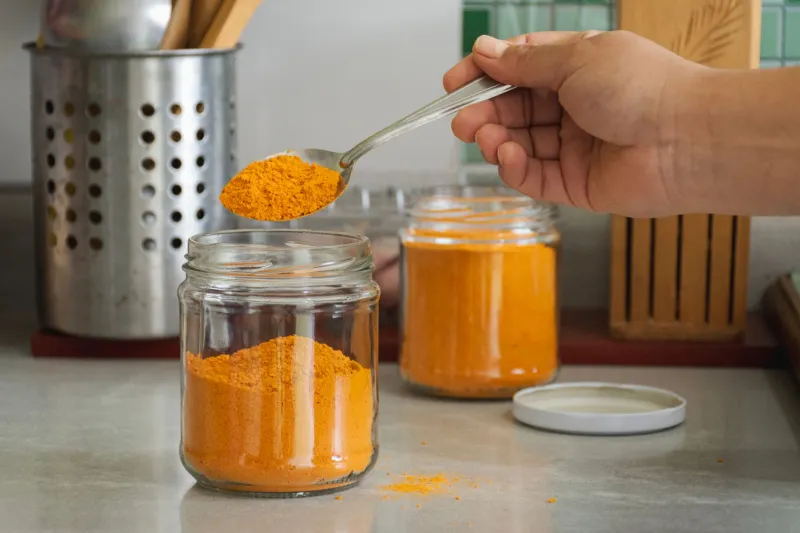
Ask any Desi American about their mom's kitchen and you'll get the same answer, delivered with equal parts nostalgia and slight chaos: jars without labels, plastic bags from the Indian grocery store, a cardamom pod that somehow ends up in everything. The spice drawer — or in many households, the spice cabinet — is basically a family archive. Every pinch carries a memory.
But something interesting is happening with the generation that grew up eating that food while also surviving on Chipotle and boxed mac and cheese. They're not abandoning the spice rack. They're rebuilding it on their own terms.
The Blend That Doesn't Exist Yet (But Should)
For a lot of second-gen South Asians, the culinary tightrope walk is real. You want the flavor of home, but you're also cooking in a Brooklyn apartment or a Dallas suburb, feeding roommates who've never heard of ajwain, or making weeknight dinners that need to come together in 30 minutes flat.
That tension is exactly where the creativity kicks in.
Young Desi cooks across the country are quietly developing what you might call "heritage blends" — spice mixes that honor traditional South Asian flavor profiles while adapting to the ingredients, kitchens, and palates they actually live with. Think a chaat-inspired seasoning that works on avocado toast. A garam masala base tweaked with dried chipotle for a smoky punch. A turmeric blend with black pepper and ginger calibrated specifically for golden milk lattes, because yes, that's a thing people make at home now.
These aren't accidents. They're intentional creative acts by people who understand both worlds deeply enough to bridge them.
From the Spice Drawer to the Storefront
What's really interesting is how many of these personal experiments are turning into actual businesses.
The micro-spice-brand space is quietly booming, and Desi entrepreneurs are staking out a unique corner of it. Unlike big commercial masala brands that cater to a broad South Asian audience, these newer ventures are leaning hard into specificity. They're telling the story of which family recipe, which region, which memory they're drawing from — and that hyper-personal narrative is resonating with buyers who are tired of generic "curry powder."
Selling online makes this whole thing viable in a way it never was before. A small-batch spice brand doesn't need a retail deal or a distributor. It needs good packaging, a compelling story, and a platform where the right customers can find it. Platforms like Apna Market are increasingly where that discovery happens — a space where buyers actively want to find products with cultural depth and a real human behind the label.
The overhead is low, the margins can be solid, and the audience — both Desi and non-Desi — is genuinely hungry for something more interesting than what's on the supermarket shelf.
The Identity Layer You Can't Ignore
Here's what makes this trend more than just a business story: it's also a deeply personal act of cultural navigation.
For second-gen South Asians, food has always been one of the clearest ways to stay connected to a heritage that's sometimes hard to access in other forms. You might not speak Gujarati fluently. You might not have visited your grandparents' village. But you know what your nani's khichdi smelled like, and you've been chasing that flavor your whole adult life.
Creating a spice blend is a way of saying: I'm not going to let that disappear. But I'm also not going to pretend I'm something I'm not. The blend becomes a kind of autobiography — a record of where you come from and where you've landed.
There's also something quietly radical about putting that blend in a jar, slapping a label on it, and selling it. It's a claim of ownership over your own culinary story. Not just as a consumer of someone else's culture, but as a creator adding something new to it.
What Buyers Are Actually Looking For
If you talk to people who shop for specialty spices online — and plenty of Apna Market shoppers fall into this category — a few things come up consistently.
First, transparency. People want to know what's in the blend, where the spices come from, and who made it. The era of mystery "curry powder" is fading fast. Second-gen spice brands tend to be really good at this, partly because their founders have grown up in a culture of ingredient-consciousness and partly because their story is the product.
Second, versatility. A lot of buyers, especially those cooking for mixed households or non-Desi partners, want spice blends that can travel across different dishes. A blend that works in a dal and on roasted vegetables and as a dry rub for chicken? That's a weeknight hero.
Third — and maybe most importantly — connection. People buying from a small Desi spice brand aren't just buying seasoning. They're buying into a story. That emotional component is something the big commercial brands genuinely can't replicate.
The Grandma Factor
Worth noting: most of the second-gen spice entrepreneurs you'll encounter are quick to credit their grandmothers, mothers, and aunties. The original recipe usually lives in someone else's kitchen, passed down through demonstration rather than documentation.
What the younger generation is doing is translating that institutional knowledge into something portable — a measured, reproducible blend that doesn't require years of watching someone else cook before you can pull it off yourself.
In a way, it's an act of preservation as much as innovation. Grandma's magic gets to survive the move to a new city, the switch to a smaller kitchen, the reality of cooking for people who didn't grow up eating this food.
A Market That's Just Getting Started
The spice industry in the US is genuinely massive — worth billions annually — and the specialty and artisan segment is growing faster than the mainstream market. Desi-origin brands are well-positioned to carve out a significant slice of that, especially as American food culture continues its long, ongoing love affair with bold, complex flavors.
But beyond the market opportunity, what's happening here is something more textured. A generation of South Asians is doing what their parents did — building something from scratch, in a new country — but with a different raw material. Not a restaurant or a grocery store, but a jar of something that smells like home and tastes like right now.
That's a blend worth paying attention to.