Why Desi Shoppers Keep Driving Past the Kroger: The Truth About Ethnic Grocery Sections in America
Walk into any major supermarket chain in America today and you'll probably find a decent-looking "International Foods" aisle. Basmati rice in neat five-pound bags, a row of MDH and Shan masalas, maybe some canned coconut milk and a jar of mango pickle. At first glance, it looks like progress. And honestly? It is — kind of.
But here's the thing: South Asian Americans are still driving across town, sometimes forty-five minutes each way, to shop at the Desi grocery store. And they're doing it on purpose.
So what's going on? If the mainstream aisle has the stuff, why isn't it enough?
The Availability Trap
There's a big difference between a product being available and a product being right. Mainstream chains have figured out that stocking a few recognizable South Asian brand names signals inclusivity. But Desi shoppers — especially first-generation immigrants — have a radar for the difference between a curated selection and a genuine one.
Take atta. A bag of whole wheat flour labeled "chapati flour" at Whole Foods might technically work in a pinch. But anyone who's grown up eating their nani's rotis knows that the protein content, the grind texture, and the milling process matter — a lot. The King Arthur version and the Aashirvaad double-sifted version are not the same product, even if they sit in adjacent aisles.
The same logic applies across the board: to curry leaves (dried vs. fresh matters enormously), to tamarind (block vs. paste vs. concentrate each behave differently in cooking), and to lentils (there are dozens of regional varieties, and most mainstream stores carry maybe three).
Regional Identity Is Not a Niche Problem
One of the most overlooked dynamics in the ethnic grocery conversation is just how internally diverse South Asian food culture actually is. "Desi food" is not a monolith. A Tamil family from Chennai has almost entirely different pantry staples than a Punjabi family from Amritsar. A Bangladeshi household's grocery list looks nothing like a Gujarati one.
Mainstream supermarkets, when they do stock South Asian products, tend to default to a kind of greatest-hits approach — items that signal "Indian food" to a broad American audience. That means a lot of garam masala, tikka masala paste, and basmati rice. It does not mean methi seeds, dried kokum, Kashmiri mirch, or the specific variety of mustard oil that Bengali cooking depends on.
Specialty Desi grocery stores — and increasingly, online marketplaces like Apna Market — understand that South Asian Americans aren't a single demographic with a single shopping list. They stock regional produce, harder-to-find lentils, and spice blends that reflect the actual diversity of the subcontinent. That specificity is the whole point.
The Freshness Factor Nobody Talks About
Here's something any experienced Desi cook will tell you: spices go stale fast, and a stale spice is worse than no spice at all. It adds bitterness without depth, color without flavor.
The supply chain for ethnic products in mainstream grocery stores often isn't optimized for freshness. Products may sit in a distributor's warehouse for months before reaching the shelf, then sit on the shelf for months more. Specialty Desi stores, by contrast, tend to have faster turnover because their core customer base actually buys these items regularly — not as a novelty purchase.
There's also the question of sourcing transparency. Desi grocery store owners often have direct relationships with importers, or even with farms and producers back home. They can tell you where the turmeric came from, which harvest season the mustard seeds are from, whether the ghee is A2 or standard. That kind of knowledge is cultural currency, and it doesn't come with a Kroger loyalty card.
The Cultural Expertise Economy
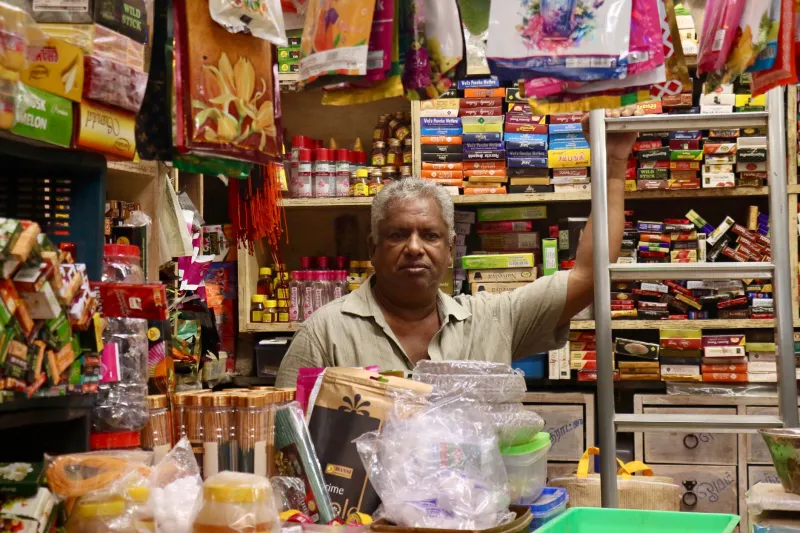
When you walk into a well-run Desi grocery store, you're not just buying groceries. You're accessing a knowledge network. The uncle behind the counter knows that you need a specific kind of besan for your mom's pakora recipe, not the coarser grind. The auntie stocking shelves can tell you which brand of ready-made biryani masala actually tastes like something and which ones are basically just colored salt.
That informal expertise is genuinely hard to replicate in a mainstream retail environment, where the employees stocking the international aisle may have no personal connection to the products they're handling. It's not a criticism — it's just reality. Cultural knowledge is embedded in community, and community is what specialty retailers have in abundance.
Online platforms serving the Desi diaspora are now working to digitize some of this expertise — through detailed product descriptions, regional filters, customer reviews from people who actually cook this food, and curated collections built around specific cuisines and occasions. It's not a perfect substitute for the in-person experience, but it's a meaningful step.
So What Does the Future Look Like?
Mainstream grocery chains are getting better, slowly. Some stores in cities with large South Asian populations — think parts of New Jersey, the Houston suburbs, the Bay Area — have made genuine investments in more comprehensive Desi sections, with better product turnover and more regional variety. That's real progress worth acknowledging.
But the forty-five-minute drive to the Desi grocery store isn't going away anytime soon, because it was never just about the groceries. It's about the community, the familiarity, the sensory experience of being somewhere that feels like yours. It's about the methi leaves that are actually fresh, the chaat masala that actually has the right tang, and the shopkeeper who remembers that you prefer the Rajasthani variety of moong dal.
For Desi Americans navigating the weird in-between of diaspora life, the grocery store is more than a store. And that's not something a bigger international aisle can fix.
At Apna Market, we think about this a lot. Because getting the right ingredients isn't just about cooking a meal — it's about cooking your meal, the one that tastes like memory. And that's worth a drive. Or, these days, a few clicks.