From Cardamom to Collector's Item: The Desi Spice Obsession Taking Over American Kitchens
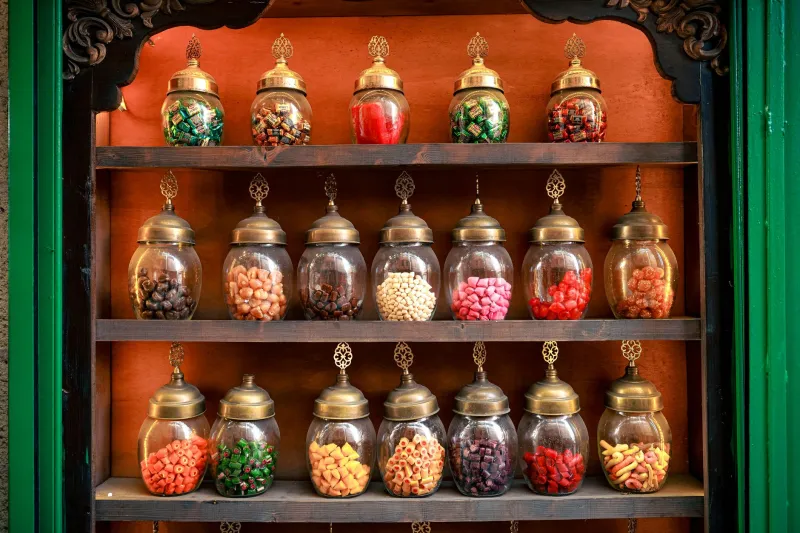
Somewhere in a suburb of New Jersey, Priya Nair has a dedicated shelf unit in her kitchen that her husband jokingly calls "the vault." On it sit over forty labeled glass jars — Kashmiri mirch sourced from a small cooperative in Sopore, black cardamom pods brought back by her aunt from a trip to Sikkim, and a stone-ground garam masala blend that comes from a family in Pune who has been making it the same way for three generations. The collection is worth, by her own estimate, close to $800. And she's still adding to it.
Priya isn't unusual. Across the US, second- and third-generation South Asian Americans are quietly going deep on spices — treating them less like pantry staples and more like curated collections. It's a trend that blends nostalgia, cultural pride, and a very real frustration with the bland, shelf-stable versions of masala that line the aisles of mainstream grocery stores.
Why "Good Enough" Stopped Being Good Enough
For a long time, American desis made do. You grabbed whatever MDH or Shan packet was available at the local Indian grocery, maybe supplemented with a bulk bag of turmeric from the restaurant supply store, and you moved on. The goal was approximation — getting close enough to the flavors of home or the flavors of your parents' home.
But that mindset has been shifting, especially among younger South Asians who grew up in the US and are now cooking seriously for the first time. They've eaten at enough regional Indian, Pakistani, Sri Lankan, and Bangladeshi restaurants to know that what's in those packets is a shortcut, not a destination. And they're not interested in shortcuts.
"I grew up eating my mom's food and thinking it was the best thing in the world," says Arjun Mehta, a software engineer in Austin who started building his spice collection during the pandemic. "Then I went back to Gujarat with her for a cousin's wedding and had the exact same dish made with freshly ground spices from the local market. It wasn't even comparable. I came home with two checked bags full of spices and I haven't stopped since."
That experience — the jarring gap between the diaspora version and the source — is something a lot of desi home cooks describe as a turning point.
The Difference Is Real (And It's Not Just Nostalgia)
There's actual science behind why imported or specialty spices taste different. Spices like turmeric, cumin, and coriander lose volatile aromatic compounds over time, especially when exposed to light and air. Most commercial spices have already been sitting in a supply chain for months before they hit a US store shelf. Single-origin spices that are freshly harvested and minimally processed retain far more of those compounds — which translates directly into flavor and fragrance.
Heirloom varieties take this even further. Guntur Sannam chilies, for example, have a specific heat profile and fruitiness that generic "red chili powder" simply doesn't replicate. Malabar black pepper has a different aromatic quality than the generic stuff. Naga morich from Nagaland is a world away from standard cayenne. For cooks who know the difference, there's no going back.
"Once you've cooked with real Chettinad kalpasi — stone flower — you understand why certain dishes taste the way they do," says food writer and home cook Sana Rashid, based in Chicago. "It's not an ingredient you can substitute. And you can't find it at Whole Foods."
The Sourcing Hunt
Finding these specialty and heirloom spices in the US used to mean either traveling back home, relying on relatives to stuff suitcases, or knowing exactly which small ethnic grocery in your city carried the good stuff. That last option was always hit or miss — and often involved calling ahead to ask whether a specific item was in stock that week.
Online marketplaces have changed the equation significantly. Platforms like Apna Market are increasingly becoming the go-to source for specialty South Asian ingredients, including spices that simply don't exist in the mainstream retail supply chain. Sellers on these platforms often source directly from regional producers or import small-batch products that reflect specific culinary traditions — Rajasthani, Tamil, Punjabi, Bengali — rather than a generic "Indian food" category.
For collectors like Priya, this kind of access is significant. "I found a seller on Apna Market who sources Coorg pepper directly from an estate in Karnataka," she says. "I've ordered from them three times now. The pepper is extraordinary, and I know exactly where it's coming from."
It's Also About Identity
Beyond the flavor conversation, there's something deeper driving this trend. For many second-generation South Asians, building a serious spice collection is a way of maintaining a tangible connection to a heritage that can feel abstract or fragile when you're living far from where it originated.
Spices are one of the most direct sensory links to South Asian culture. The smell of whole spices blooming in hot oil is a memory that cuts through years and distance. Owning the specific chili or the specific masala blend that your grandmother used isn't just cooking — it's a form of cultural preservation.
"My parents came here with almost nothing," says Arjun. "But they brought their recipes and they brought their spices. I feel like continuing that, being really intentional about it, is a way of honoring that."
How to Start Your Own Collection
If you're spice-curious but not sure where to begin, the good news is you don't need to spend thousands to start. A few practical tips from serious collectors:
- Start with whole spices, not ground. Whole cumin, coriander, cardamom, and cloves last longer and give you control over freshness when you grind them yourself.
- Buy small quantities from reputable sources. A tiny amount of high-quality Kashmiri chili will outperform a large bag of generic chili powder every time.
- Learn the regional differences. South Asian cuisine is wildly regional. A spice that's essential in one tradition may not even appear in another. Explore what's specific to your family's culinary background.
- Look for specialty vendors. Platforms like Apna Market connect you with sellers who specialize in regional and hard-to-find ingredients — often with more context and provenance information than you'd ever get from a grocery store label.
The vault on Priya's kitchen shelf keeps growing. She's currently tracking down a source for authentic Ramnad Mundu chili from Tamil Nadu and has a standing order with a vendor who supplies her with fresh curry leaves — not the dried ones, the real thing. For her, it's an ongoing project, one that connects her kitchen in New Jersey to something much larger.
That's what a great spice collection does. It doesn't just make your food taste better. It tells a story.