The Art of the Desi Gift: How South Asian Celebrations Quietly Power a Billion-Dollar Gifting Economy
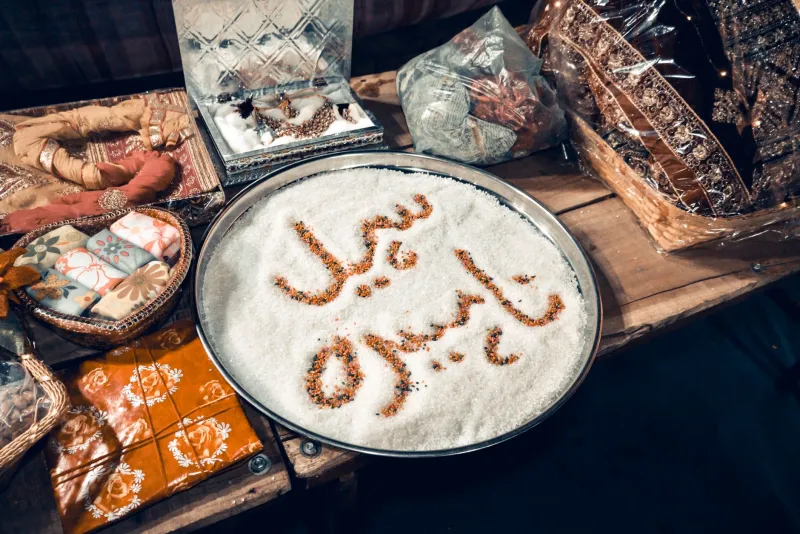
There's a running joke in many South Asian households that the real purpose of attending a wedding is to mentally calculate what gift amount will adequately represent your family's honor, affection, and social standing — all at once. It sounds like a punchline, but the economics behind it are genuinely fascinating.
South Asian-American communities celebrate with a frequency and a financial commitment that would surprise most outsiders. Between shaadi season, Diwali, Eid, Navratri, Dussehra, Vaisakhi, Holi, Raksha Bandhan, baby showers, thread ceremonies, and the various milestones in between, the gifting calendar barely takes a breath. And with millions of South Asians now living across the United States, that cultural tradition has quietly become a significant driver of both local and online commerce.
The Season That Runs the Show
If you want to understand the rhythm of the South Asian gifting economy, start with wedding season. In most desi communities, weddings cluster in two main windows: late fall through winter (roughly October through January) and a spring stretch around April and May. These aren't just busy social calendars — they're economic events.
A single South Asian wedding in the US can involve dozens of events: engagement parties, mehndi nights, garba evenings, the main ceremony, the reception, and various post-wedding gatherings. Each occasion carries its own gifting expectations, and guests are often attending multiple events across multiple weddings in the same season.
Sellers on platforms like Apna Market report a sharp spike in orders starting in September, well ahead of the fall wedding rush. "We start seeing the uptick in late August," says Nadia Siddiqui, who sells handcrafted Pakistani textile gifts and home décor through the platform. "By October, we're running at double our normal volume. It stays like that through January."
The spring season brings a second surge, and then Eid and Diwali add their own distinct peaks on top of that. For many South Asian sellers, these windows represent the majority of their annual revenue.
What People Are Actually Spending
So how much money are we actually talking about? While comprehensive data specific to South Asian-American gifting is limited, the signals are clear. According to broader US consumer research, South Asian households tend to have higher-than-average household incomes and also tend to prioritize spending on family celebrations and cultural occasions.
Informal surveys within the community paint a vivid picture. For a close family wedding, cash or gift contributions in the $200–$500 range per couple are common in many communities, with closer relatives often giving significantly more. For acquaintances or coworkers, $50–$150 is typical. Multiply that across an average guest list of 300–500 people, and the gifting economy around a single wedding can easily reach six figures.
Diwali and Eid gifting operates on a different but equally meaningful scale. Corporate gift sets, mithai boxes, dry fruit arrangements, and specialty sweets are popular choices, with many families spending $30–$100 per household on neighbor and family gifts. Eidi — the cash given to children during Eid — adds another layer of spending that, while individually small, aggregates significantly across extended family networks.
The Unspoken Rules (That Everyone Somehow Knows)
One of the most interesting things about South Asian gift-giving is how much of it is governed by unwritten but deeply understood norms. There's a whole social calculus involved that outsiders rarely see.
Cash is almost always appropriate for weddings, and in many communities, it's actually preferred. It's practical, it's flexible, and it avoids the risk of duplicating gifts. But the presentation of cash matters enormously. A crisp bill slipped into a beautiful envelope, ideally in an auspicious amount (think numbers ending in 1, like $101 or $251, which signal abundance in many Hindu traditions), communicates care and cultural fluency.
For festivals, the rules shift. Diwali gifts lean toward sweets, dry fruits, home goods, and decorative items. Eid gifts often include sweets, clothing, and perfumes. Rakhi season calls for gifts between siblings — brothers traditionally give gifts to sisters who tie rakhis for them. Each occasion has its own texture.
For second-generation South Asians navigating these traditions in an American context, there's often a learning curve. "I grew up knowing that you bring something to every event, but the specifics were fuzzy for me," admits Simran Dhaliwal, a 31-year-old based in New Jersey. "I've learned a lot just by shopping on platforms that cater to our community. Seeing what other people are buying helps me understand what's appropriate."
What Sells, and Why
For sellers on Apna Market and similar South Asian marketplaces, understanding the gifting calendar is essential to business planning. The most popular gift categories break down roughly like this:
Wedding season top sellers:
- Decorative silver or brass items (diyas, puja thalis, serving sets)
- Premium dry fruit and nut gift boxes
- Embroidered or hand-block-printed textile sets
- Artisan jewelry and accessories
- Personalized or monogrammed items (increasingly popular with younger buyers)
Diwali favorites:
- Mithai and sweet boxes (especially premium or regional varieties)
- Diyas, candles, and decorative lanterns
- Home fragrance sets (incense, attar, room sprays)
- Hampers combining sweets, snacks, and small decorative pieces
Eid gift picks:
- Attar and perfume sets
- Premium dates and dry fruit arrangements
- Traditional clothing and accessories
- Eid-specific sweet boxes and bakery items
Fatima Khan, who sells handcrafted attar and fragrance products through Apna Market, says Eid is her single biggest sales period by a significant margin. "People want something that feels luxurious but also culturally meaningful. Attar checks both boxes. It's traditional, it's beautiful, and it travels well if someone is shipping a gift to family in another state."
Shopping Smart Without Losing the Meaning
The pressure to give generously can sometimes tip into financial stress, particularly for younger South Asian Americans who are still building their careers while navigating the full social calendar of their communities. Here's how seasoned shoppers keep it meaningful without breaking the bank:
Plan ahead and buy early. Peak season prices and shipping times both spike in October and November. Shopping in September — or even August — gives you access to better inventory and calmer logistics.
Think in sets, not individual items. A curated hamper of three or four smaller items often reads as more thoughtful and generous than a single expensive piece. A box with premium dates, a small attar bottle, and a decorative tin of dried fruits can feel luxurious at a fraction of the cost of a single big-ticket gift.
Lean into regional specificity. A gift that reflects the recipient's specific cultural background — Gujarati snacks for a Gujarati family, Kashmiri saffron for someone who loves to cook — signals genuine thoughtfulness in a way that generic gifts never can. Apna Market's regional product categories make this kind of personalization genuinely easy.
Don't underestimate presentation. In South Asian gifting culture, how something looks matters almost as much as what it is. A beautiful box, a well-chosen card, and thoughtful wrapping elevate even a modest gift significantly.
The Bigger Cultural Moment
Beyond the economics, what the South Asian gifting tradition really reflects is a community that measures love in tangible, communal ways. Showing up — with something in your hands, with your presence, with your contribution to the celebration — is how relationships are maintained and honored across generations and across the miles that separate families in this country.
As that community grows and as more South Asian-owned businesses build the infrastructure to serve it, platforms like Apna Market are becoming an increasingly important part of how those traditions travel and adapt. The gift you send from your apartment in Dallas to a cousin's wedding in New Jersey isn't less meaningful because it was ordered online — if anything, it's proof that the culture travels, that the care travels, that apna still means something wherever you happen to be.
Find curated gift sets for every South Asian occasion — weddings, Diwali, Eid, and beyond — at Apna Market. Thoughtful, culturally resonant, and shipped right to your door.