Flipping the Flow: Why American-Made Desi Products Are Now Heading Back to South Asia

For as long as most Desi Americans can remember, the movement of goods ran one direction. Visiting relatives arrived at JFK or O'Hare with suitcases full of pickles, spices, sweets, and fabric. The care package went westward. The good stuff came from back home.
Something has quietly shifted.
A growing number of US-based South Asian entrepreneurs are now shipping American-manufactured Desi products — ghee, spice blends, lentils, snacks, beauty goods — back to India, Pakistan, and Bangladesh. The direction of the care package has reversed, and the reasons behind it say something genuinely interesting about where trust, quality, and identity stand in 2025.
Why Families Are Asking for the American Version
It starts, often, with a phone call.
Priya, a second-generation Tamil American who runs a small-batch ghee business in the Bay Area, started getting requests from her mother's relatives in Chennai around 2022. They'd heard about her product through family WhatsApp groups. They wanted to try it. Then they wanted to order regularly.
"My aunt told me she trusts the American label more than what she can find locally now," Priya says. "That was strange to hear. But she's not wrong that there are real concerns about adulteration in the local market."
Food safety is a significant driver. Concerns about adulteration — diluted spices, impure oils, mislabeled ingredients — have become more publicly visible in South Asian markets over the past several years. High-profile scandals involving contaminated products have made urban, middle-class consumers in India particularly attentive to where their food comes from and how it was produced.
American food manufacturing standards, FDA oversight, and clear labeling have become, for some consumers, a form of quality assurance that locally produced goods can struggle to match — even when the recipe and the roots are entirely South Asian.
The Consistency Factor
Beyond safety, there's something almost mundane driving the reverse flow: consistency.
When you buy a jar of tamarind paste made in a facility in California, it tastes the same every time. The sourness hits the same note. The texture is predictable. For home cooks in Karachi or Dhaka who are trying to replicate a dish they learned from a YouTube video made by a Desi American creator, that consistency matters.
"My followers in Pakistan ask me constantly where to get the exact products I use," says a Dallas-based food content creator who has built a following on both sides of the diaspora. "They see me use a specific chaat masala, they want that specific one. They don't want to guess at a substitute."
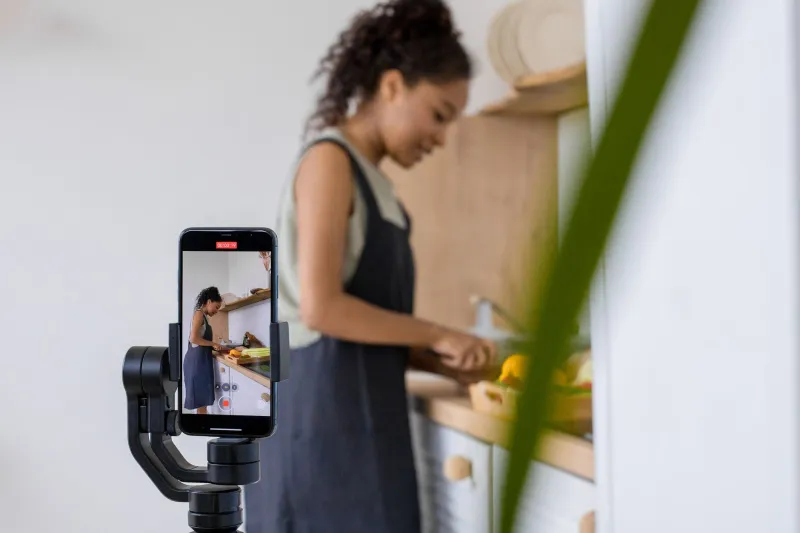
Creators are, perhaps unintentionally, becoming the distribution channel. Their product recommendations travel faster than any ad campaign, and they've created demand in markets that traditional export businesses haven't thought to target.
The Business Opportunity in the Counter-Flow
Some entrepreneurs are noticing this demand and building deliberately around it.
Farhan, who runs a Lahore-born, New Jersey-built spice brand, started selling online to the US diaspora three years ago. Last year, he began fielding enough inquiries from Pakistan that he started exploring formal export channels.
"It's a weird position to be in," he admits. "My family is from Lahore. The spices are inspired by recipes my grandmother made. But I'm manufacturing here, to American standards, and now I'm shipping them back to people who live five minutes from where those recipes came from."
The economics are complicated — international shipping costs, import duties, and regulatory compliance on the receiving end all add friction. But for premium positioning, the 'Made in USA' label carries weight in urban South Asian markets in a way that would have seemed absurd a decade ago.
How Family Dynamics Are Shifting
The cultural ripple effects of this counter-flow are subtle but real.
For generations, the authority on what counted as authentic Desi food sat firmly with the people who never left — the grandmothers in Hyderabad, the aunties in Lahore, the family cooks in Sylhet who'd been making the same dal for fifty years. The diaspora was always slightly suspect, always working with inferior ingredients, always producing a pale imitation.
That hierarchy is getting complicated.
When the ghee made by a second-gen Tamil American in California is the one relatives in Chennai are requesting, something has shifted in who gets to define quality. It's not that the old authority is gone — but it's being negotiated in new ways, through WhatsApp voice notes and international shipping labels.
"My mom was skeptical at first," Priya says. "She thought it was funny that her family back home wanted my ghee. But then she tasted it next to what she'd been buying at the local store, and she got quiet. That was its own kind of validation."
What This Means for Desi Commerce
The reverse flow is still small. It's not replacing traditional imports or disrupting massive supply chains. But it represents something worth paying attention to: the diaspora is no longer just a consumer of South Asian culture. It's becoming a producer and exporter of it — sometimes back to the very source.
For platforms like Apna Market, this shift opens up conversations about what 'Desi' means in a commercial context. Is a product less authentic because it was made in a licensed facility in New Jersey instead of a home kitchen in Gujarat? Or does authenticity live in the recipe, the intention, the community that sustains it?
There's no clean answer. But the fact that families in Mumbai and Karachi are now placing orders with Desi American sellers suggests that the question itself has become a lot more interesting.
The suitcase used to travel one way. Now it's got baggage tags pointing in both directions — and that's not a problem. That's a market.