Scroll, Crave, Buy: How TikTok Is Turning Forgotten Desi Ingredients Into Overnight Bestsellers
It started, as so many things do now, with a video.
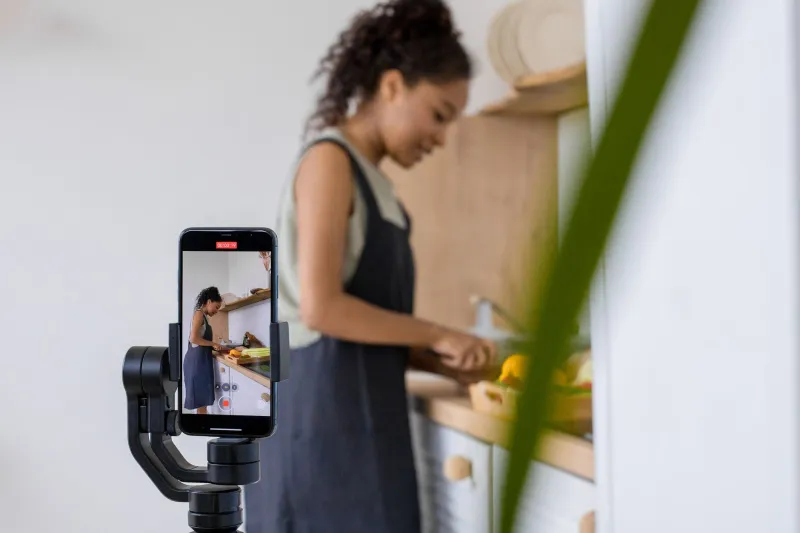
Somewhere between a Bollywood trending audio and a satisfying cutting board ASMR, a 22-year-old from New Jersey posted herself making her nani's version of sol kadhi — the pale pink Konkani drink made with kokum and coconut milk. She wasn't a food influencer. She had maybe 4,000 followers. But within 48 hours, the video had over 800,000 views, and vendors on South Asian online marketplaces were fielding a wave of kokum orders they absolutely did not see coming.
That's the Desi TikTok effect in a nutshell.
The Algorithm Doesn't Know It's Niche
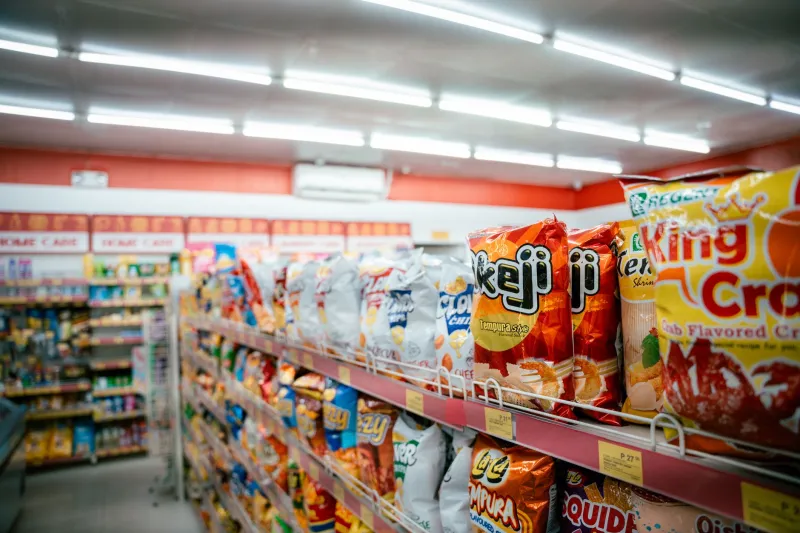
Here's the thing about social media platforms — they don't really care whether a dish is obscure or mainstream. If the video is engaging, it spreads. And right now, a very specific kind of Desi food content is blowing up: hyper-regional, grandma-coded, often completely unfamiliar to people outside a specific state or community.
Amchur powder from a specific region of Madhya Pradesh. Black sesame chutney from Tamil Nadu. Gondhoraj lebu — a fragrant lime variety from Bengal that's nearly impossible to find outside of Kolkata's markets. These aren't items you'd stumble across at your average Indian grocery store in the US. But they're showing up in comment sections with hundreds of replies that basically all say the same thing: where do I find this?
Sellers on platforms like Apna Market are watching this happen in real time. And the smart ones are paying very close attention.
Sellers Are Literally Monitoring TikTok for Inventory Cues
Rajvi Mehta, who runs a small specialty grocery operation out of Atlanta, says she started treating her TikTok feed like a buyer's report about two years ago. "I noticed that whenever a certain type of content went viral, I'd get a surge of messages asking if I carried that product," she says. "At first I thought it was a coincidence. Then it kept happening."
Now she has a loose system: if she sees a regional ingredient featured in a video that's gaining traction, she starts sourcing it before demand peaks. "By the time everyone's searching for it, I want to already have it in stock. The window is short — maybe two, three weeks — but the sales during that window are real."
The challenge, she admits, is that a lot of these ingredients are genuinely hard to source in quantity. We're not talking about turmeric or cumin. We're talking about things like thandai masala blends specific to Rajasthani households, or dried raw mango varieties that differ by region. "Sometimes I can find them, sometimes I can't. But I've started building relationships with importers who specialize in regional stuff just because of this trend."
Gen-Z Is Doing the Culinary Archaeology
What makes this moment different from previous food trend cycles is who's driving it. It's not food publications or celebrity chefs or even first-generation immigrants posting recipes. It's largely second and third-generation Desis — people who grew up in the US, may not speak their parents' language fluently, and are using food as a way to reconnect with something they feel like they almost missed.
There's a kind of urgency to it. A lot of these creators talk openly about learning dishes before a grandparent passes away, or trying to recreate something they only ate once at a relative's house in India. The emotional charge of that story travels through a screen remarkably well. Viewers who've never heard of a particular dish find themselves invested anyway, because the feeling of almost-lost heritage is surprisingly universal.
Kiran Nair, a food content creator based in Houston who posts under the handle @spiceandstory, describes his content as "culinary detective work." His most viral video — a deep dive into the history of Kerala's kalpasi spice (stone flower) — got picked up by food media outlets and sparked a comment thread that ran for days. "People were tagging their moms, their aunties. Someone said their grandmother used to add it to biryani and they'd always wondered what that flavor was. That kind of comment means everything to me."
It also, incidentally, meant a lot to the vendors suddenly selling out of kalpasi.
What's Actually Spiking — A Closer Look at the Numbers
Without getting too deep into proprietary data, vendors selling through South Asian-focused online marketplaces have flagged a handful of categories seeing unusual, trend-driven demand:
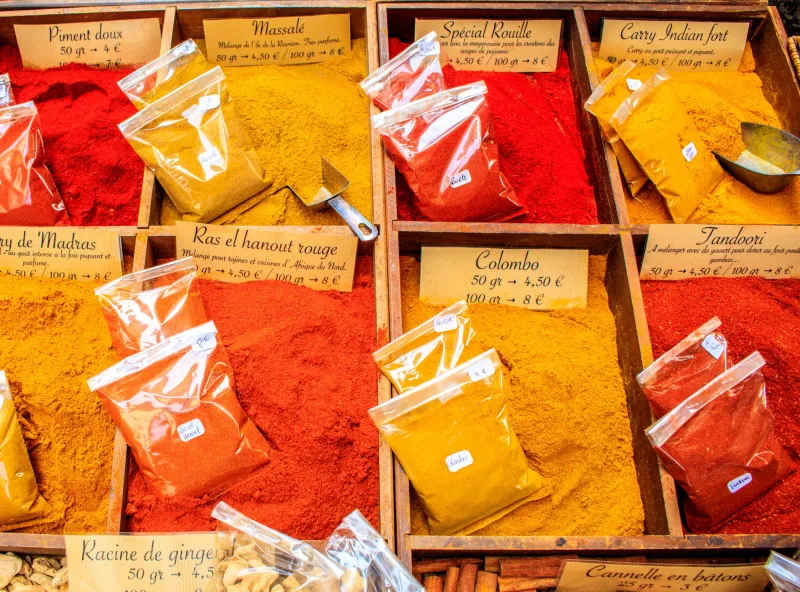
Regional spice blends — particularly those tied to specific communities or states (Chettinad masala, Parsi dhansak masala, Goan recheado paste) are seeing interest from buyers who previously might never have sought them out.
Heirloom grains and flours — things like barnyard millet, little millet, and specific varieties of single-origin rice that show up in ancestral cooking videos.
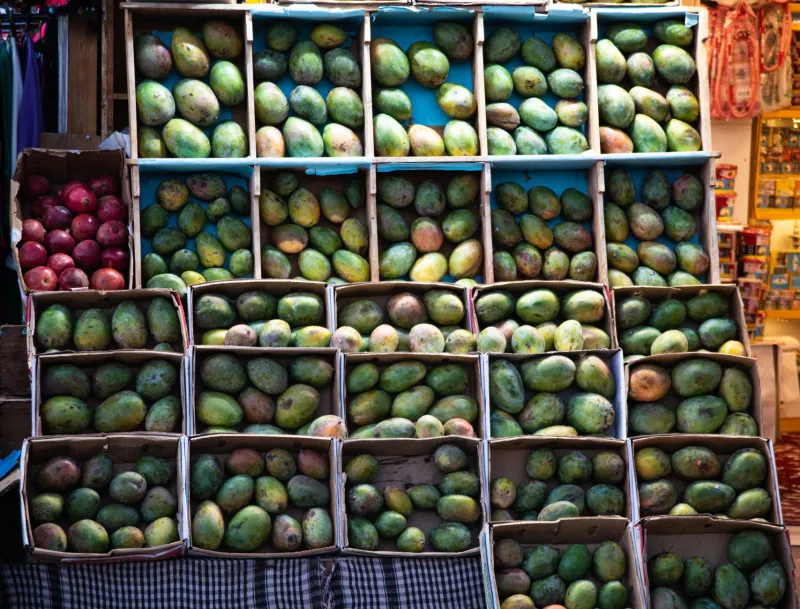
Dried and preserved ingredients — kokum, raw tamarind varieties, dried amla, and various sun-dried vegetables that feature prominently in old-school regional recipes.
Traditional sweets and snack components — not the finished product, but the specific ingredients needed to make them at home. Khoya. Specific types of jaggery. Edible camphor for temple-style cooking.
The pattern is consistent: a video surfaces, the ingredient gets named, viewers go searching, and sellers who stock it see a spike. Sellers who don't stock it get a flood of "do you carry this?" messages that are essentially free market research.
The Flip Side: Trend Fatigue and the Inventory Gamble
Not everyone is celebrating. Some vendors are wary of over-investing in trend-driven stock that could cool off as quickly as it heated up. "I got burned once," admits one seller who asked to remain anonymous. "I ordered a large quantity of a specific ingredient after a video went viral, and by the time my shipment arrived, the moment had passed. I was sitting on product that moved very slowly after that."
There's also a concern about authenticity — that the viral cycle flattens regional complexity into a kind of aesthetic. A dish that took generations to develop, tied to a specific geography and community, gets reduced to a 30-second trend. Some first-generation sellers find that uncomfortable, even when the sales are good.
But creators like Kiran push back gently on that critique. "Is it perfect? No. But people are curious now who weren't curious before. If someone buys kalpasi because of my video and then actually learns what it is and where it comes from, that's a win. The door opened."
What This Means for How We Shop Desi Online
For platforms like Apna Market, the TikTok effect is forcing a kind of agility that traditional grocery retail never had to deal with. The demand signals are real, but they're fast and unpredictable. The sellers who are thriving are the ones treating social media not just as a marketing channel, but as a live feed of what their customers are suddenly, desperately curious about.
It's a strange and genuinely exciting moment. Ingredients that sat in the back of specialty stores for decades, bought only by people who already knew exactly what they were, are now being discovered by a generation that grew up eating pizza and pad thai alongside dal and roti — and is now hungry for the parts of their heritage that got a little lost along the way.
The algorithm didn't plan any of this. But here we are.