Chaat Masala at Costco? How Desi Products Are Winning Over Mainstream America One Shelf at a Time
Somewhere between a food blogger's "I tried every Indian snack" haul and a twenty-two-year-old in Tennessee discovering panipuri for the first time via a thirty-second TikTok, something quietly shifted. Desi products — the kind that used to live exclusively in the back aisles of South Asian grocery stores — started showing up everywhere else.
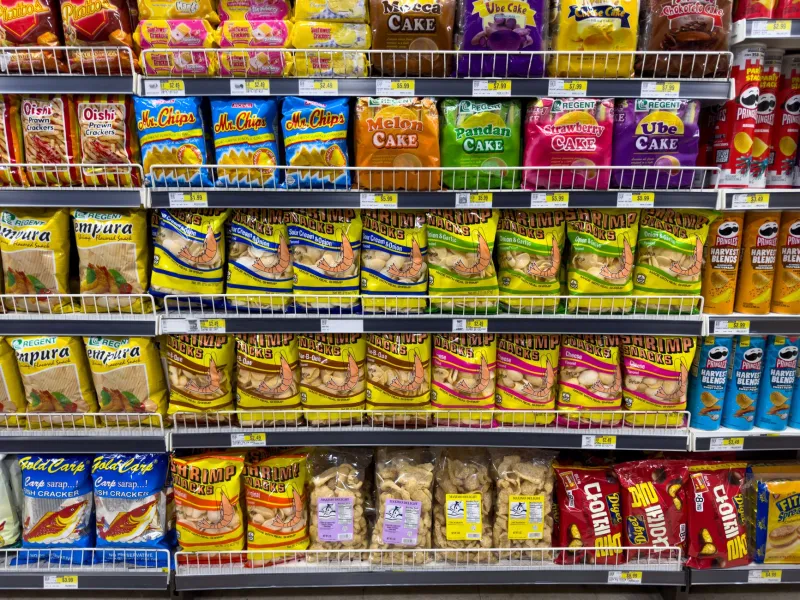
We're talking about chaat masala sprinkled on mango slices at a Brooklyn farmer's market. Tamarind candy at the checkout counter of a natural foods store in Portland. Ready-to-use butter chicken sauce next to the pasta jars at Target. It's a crossover moment that's been building for years, and it's finally hitting its stride.
The TikTok Effect Is Very, Very Real
If you want to understand how a product goes from ethnic aisle to mainstream cart, start with your phone.
Social media — TikTok especially — has completely rewritten the rules of food discovery. A single video of someone making panipuri at home, filling those crispy little spheres with spiced water and watching a non-South Asian friend's face light up, can rack up millions of views. And then comes the flood of comments: where do I get those? what's in that water? this is the best thing I've ever seen.
That's not just entertainment. That's demand creation in real time.
"The virality happens because the food is genuinely fascinating to watch," says food content creator Simran Bhatt, who built a following of over 400,000 across platforms by documenting her South Asian cooking. "Panipuri is interactive. It's theatrical. It does half the marketing work itself."
For sellers on platforms like Apna Market, moments like these can be transformative. A product that was selling steadily to a core desi customer base suddenly gets a wave of new buyers who found it through a viral moment and went looking for where to actually purchase it.
What's Breaking Through — and Why
Not every desi product is crossing over at the same rate. The ones gaining the most traction with non-South Asian consumers tend to share a few things in common: they're visually compelling, they're easy to use, and they offer a flavor profile that feels both new and somehow familiar.
Ready-to-use masala blends are a prime example. Products like tikka masala paste, chana masala powder, and tandoori marinades are finding homes in kitchens that have never made Indian food from scratch — because they make the cuisine approachable. You don't need to know what asafoetida is or where to buy it. You just open a jar.
Chaat-style snacks are another category exploding outside the desi community. The combination of tangy, spicy, crunchy, and sweet that defines chaat hits flavor receptors that American palates didn't even know they were missing. Once someone tries a good sev puri or a bag of masala-dusted chickpeas, the repeat purchase rate is high.
Then there's the wellness angle. Turmeric, ashwagandha, and amla have been staples of South Asian kitchens and medicine cabinets for centuries. The American wellness industry "discovered" them relatively recently, and that discovery brought a whole new audience to products that desi families have been buying for generations.
Small Sellers, Big Moments
The crossover trend isn't being driven primarily by big brands with massive marketing budgets. A surprising amount of it is coming from small, independent South Asian sellers who found themselves in the right place at the right time — and were smart enough to lean in.
Take the pattern that's played out again and again: a home-based seller starts making a specialty product — a regional pickle, a specific spice blend, a traditional sweet — for their local desi community. A food blogger stumbles across it. A post goes semi-viral. Suddenly, orders are coming in from people with surnames that have nothing to do with South Asia.
The sellers who capitalize on these moments tend to do a few things well. They package their products in a way that explains the item to someone who has no prior reference point — a short description of what it is, how to use it, what it tastes like. They make themselves findable online. And they don't water down the product to appeal to a broader audience. The authenticity is actually the selling point.
"People aren't looking for a dumbed-down version," says Vikram Patel, who sells small-batch Gujarati pickles and condiments online. "They want the real thing. They want to feel like they discovered something."
The Marketplace Advantage
For non-South Asian consumers newly curious about desi products, the discovery problem used to be a real barrier. Even if you watched a TikTok about panipuri and wanted to try making it at home, figuring out where to actually buy the right ingredients wasn't always easy — especially outside of major metro areas.
That's where platforms built around South Asian products, like Apna Market, fill a genuine gap. They aggregate the products, they provide context, and they ship to places where the nearest Indian grocery store might be an hour away. For sellers, that means access to a customer base that extends well beyond their immediate geography. For curious new buyers, it means the barrier to actually trying something new drops significantly.
It's a dynamic that benefits everyone in the ecosystem — and it's one reason why the mainstream crossover of desi products isn't just a trend. It has structural support behind it.
The Mainstream Moment Has Layers
It's worth noting that not everyone in the South Asian community has the same feelings about their food and products going mainstream. Some see it as long-overdue recognition — validation that what they grew up eating is genuinely great, not just "ethnic food." Others have more complicated feelings about cultural products being adopted without the accompanying understanding of where they come from.
Both reactions are valid, and both can exist at the same time. The goal, ideally, is a kind of crossover that carries context with it — where someone who falls in love with chaat masala also learns a little bit about the street food culture it comes from, and maybe that curiosity leads somewhere deeper.
The products are the entry point. The culture is the destination.
A Shelf Space That's Been Earned
Desi products earning space in mainstream American stores and carts isn't luck. It's the result of decades of South Asian communities building something real — flavor profiles, food traditions, and a culinary identity that turns out to be incredibly compelling once the broader world gets a taste.
The TikTok videos are just the latest vehicle. The food was always this good.