Shaadi Season, American Style: The Desi Wedding Supply Boom Reshaping How We Celebrate
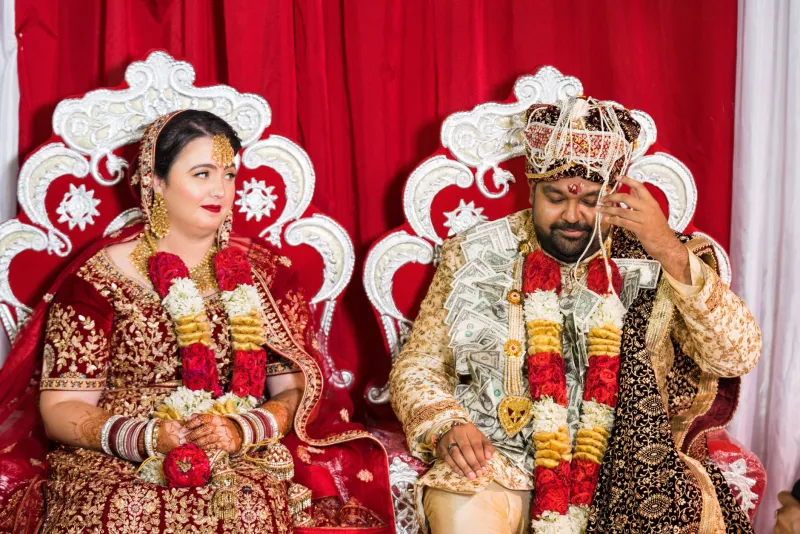
If you've attended a South Asian wedding in America recently, you already know: the bar has been raised. Like, significantly. The florals are jaw-dropping. The invitation suite probably had a wax seal and a custom illustrated portrait of the couple. The mehndi artist flew in from three states over and had a six-month waitlist. And somewhere in the middle of all of it, a small business owner — probably a second-generation desi woman running things out of her home studio — made it all happen.
Welcome to the American desi wedding economy. It's thriving, it's creative, and it's only getting bigger.
A Market That's Hard to Ignore
South Asian weddings are, famously, not small affairs. Multi-day celebrations, large guest lists, and an emphasis on detail and tradition mean that the average desi wedding in the US involves a staggering number of vendors, products, and services. And increasingly, those products and services are being provided not by big-box event companies, but by small, community-rooted businesses that actually understand what a sangeet needs to look like.
The numbers back this up. The South Asian wedding market in the United States is estimated to be worth billions annually — and that figure accounts for everything from catering and venue rentals to the niche but booming category of ethnic celebration supplies: mehndi cones, bridal lehengas, custom dholak rentals, jasmine garland arrangements, and personalized baraat accessories.
"When I started my mehndi supply business five years ago, I was basically shipping to other artists and a handful of brides who wanted to do their own henna," says Sana Mirza, who runs an online mehndi supply shop out of Houston. "Now I'm getting bulk orders from event planners in New Jersey, California, and Georgia who are catering specifically to South Asian clients. The demand just kept growing."
The Rise of the Hyper-Local Vendor
One of the most interesting shifts in this market is the move toward hyper-localized, community-specific vendors. Rather than ordering generic "Indian wedding decor" from a mass retailer, American desi couples are actively seeking out vendors who specialize in their specific regional traditions — Punjabi vs. Tamil, Pakistani vs. Bangladeshi, Hindu vs. Muslim ceremonies.
This specificity matters. A Bengali wedding has different aesthetic traditions than a Gujarati one. The florals, the color palettes, the ritual items — it all varies, and couples want vendors who get that without needing a thirty-minute explainer.
"I specialize in South Indian wedding decor, specifically Tamil and Telugu aesthetics," explains Deepa Subramaniam, a Dallas-based event decorator who also sells custom decor kits through her online shop. "I work with banana leaves, traditional brass lamps, specific flower varieties. My clients aren't just buying decor — they're buying cultural accuracy. That means something to them and to their families."
This level of specialization has created a genuinely diverse vendor ecosystem across major American metros. In cities like Chicago, Atlanta, Houston, and the greater New York and New Jersey area, you can now find vendors specifically serving subcommunities that even a decade ago had to make do with one-size-fits-all South Asian event services.
Social Media and the Aesthetic Evolution
If you want to understand how the desi wedding market has changed, spend about twenty minutes on Instagram or Pinterest searching for South Asian weddings. What you'll find is a visual landscape that's simultaneously deeply rooted in tradition and completely current.
The marigold garlands are still there — but they're arranged by a florist who also studied at a design school. The bridal lehenga is heirloom-inspired but customized with the couple's initials. The wedding invitations are printed on handmade paper with Urdu calligraphy and a QR code linking to the couple's wedding website.
Social media hasn't just documented this evolution — it's driven it. South Asian wedding vendors who build a strong Instagram presence can go from local to national almost overnight. A mehndi artist in Atlanta with beautiful content gets booked by a bride in Seattle. A Toronto-based invitation designer ships custom suites to couples across the US. The market has become borderless in a way that benefits both buyers and sellers.
"My entire client base came from Instagram," says Farah Hussain, a New Jersey-based invitation designer who specializes in South Asian wedding stationery. "I started posting my work during the pandemic when everyone was doing small celebrations, and by the time weddings came back in full force, I had a waitlist. I had to hire two other designers just to keep up."
What Couples Are Actually Shopping For
So what does the modern American desi wedding shopping list look like? It's more interesting than you might expect.
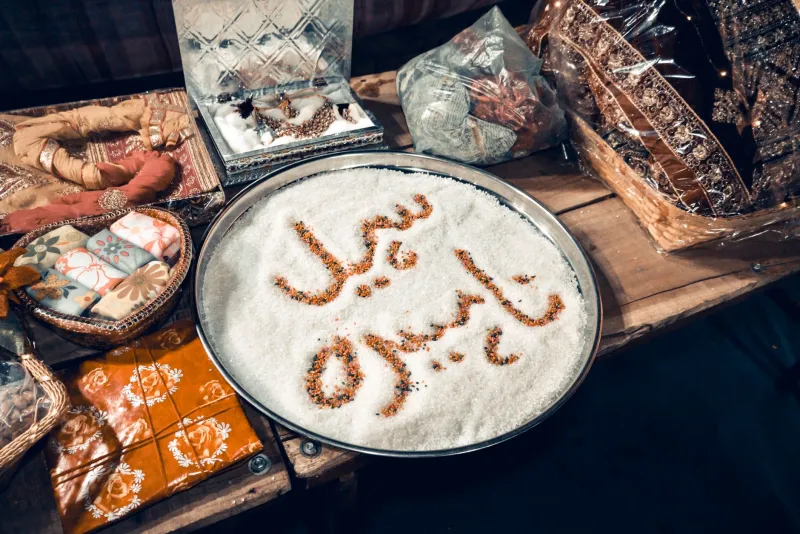
Beyond the obvious categories — bridal attire, jewelry, decor — there's a growing demand for personalized and experiential products. Think custom dupatta embroidery with the couple's names, hand-painted kalire, bespoke shagun boxes for gifting ceremonies, and even custom fragrance blends designed to evoke the smell of jasmine and sandalwood at a traditional ceremony.
Mehndi supplies are a category unto themselves. The market for quality henna cones, essential oils, and mehndi design stencils has exploded as more brides opt for DIY mehndi parties or hire local artists who need reliable supply sources. Platforms that connect buyers with authentic, high-quality ethnic products — like Apna Market — are becoming go-to resources for both individual shoppers and vendors who need to stock up.
Saree and lehenga customization services have also seen enormous growth. Several US-based boutiques now offer virtual consultations where brides can work with designers remotely to create custom or semi-custom bridal looks, with pieces either sourced from India and customized locally or designed end-to-end by American-based South Asian designers.
The Small Business Story
What ties all of this together is the entrepreneurial energy behind it. The desi wedding supply economy in America is largely powered by small business owners — many of them women, many of them second-generation South Asians who spotted a gap in the market and decided to fill it themselves.
These aren't just businesses. They're cultural projects. They exist because their founders wanted to see their own traditions reflected back at them with care and quality, and realized that if they wanted that, they'd probably have to create it.
"I started because I couldn't find what I needed for my own wedding," says Reena Patel, who now runs a bridal accessories shop in the Bay Area. "Everything was either too generic or too expensive to import. So I started sourcing my own pieces, and then my friends wanted them, and then strangers started finding me online. That was eight years ago. Now I ship nationwide."
For anyone planning a South Asian celebration in America — or shopping for one — the landscape has never been richer. The vendors are out there. The products are getting better. And the community building all of it is, as always, doing it with an incredible amount of heart.