When the Rupee Moves, So Does Everything Else: The Hidden Currency Math Behind Desi Remittances and Imports
Somewhere between the Google Finance tab and a WhatsApp message to a cousin in Hyderabad, a lot of Desi Americans are doing math they never expected to become fluent in. Not calculus. Not accounting. Just the daily, mildly stressful ritual of checking the rupee-to-dollar exchange rate before deciding whether today is a good day to send money home — or buy another case of premium basmati.
It sounds like a niche concern. It isn't. For millions of South Asian households across the United States, currency fluctuation is a constant background hum that shapes decisions both big and small — from how much a family sends back to aging parents in Punjab to how a Desi grocery startup in New Jersey prices its imported goods. The macro meets the deeply personal here in ways that don't always make the headlines.
The Rate Isn't Just a Number
Let's be honest: most people don't think about exchange rates until they have to. But ask any Desi American who regularly sends money to family in India, Pakistan, Bangladesh, or Sri Lanka, and they'll tell you they check that number more often than the weather.
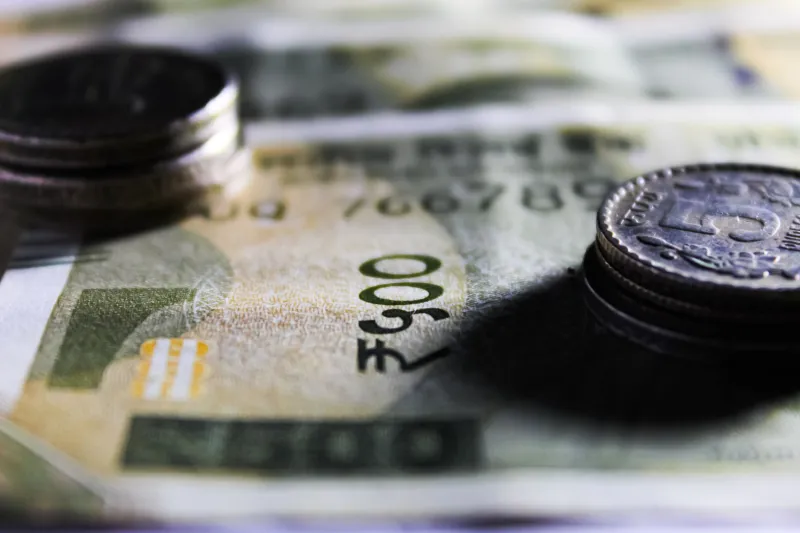
When the dollar is strong against the rupee — say, hovering around 84 or 85 INR to the dollar — every transfer stretches further. That $500 remittance becomes a more meaningful sum on the receiving end. But when the gap narrows, even slightly, the same transfer feels thinner. For families who rely on that monthly wire to cover household expenses, medical bills, or school fees back home, a shift of even two or three rupees per dollar can make a tangible difference.
"We have a set amount we send every month, but when the rate dips, I'll sometimes add a little extra to make up for it," says Priya, a software engineer in the Bay Area whose parents live in Chennai. "It sounds small, but it adds up. And I'm always watching for a good window to send a larger chunk when the rate looks favorable."
This kind of informal hedging — timing transfers around rate movements — is incredibly common, even among people who've never taken an economics class. It's intuitive, practical, and born entirely out of necessity.
How It Hits Desi Businesses Differently
For individual families, currency shifts are an inconvenience to manage. For Desi entrepreneurs importing goods from South Asia, they can be the difference between a profitable quarter and a frustrating one.
Take a small business owner sourcing hand-embroidered dupattas from Lucknow or artisan pottery from Rajasthan. The price they negotiate with a supplier is typically in rupees. But by the time the goods clear customs, land in a warehouse, and get listed on a marketplace, the exchange rate may have shifted. If the dollar weakened in that window, their margins shrink. If it strengthened, they got lucky.
"I've started building a small currency buffer into my pricing," explains Rajan, who runs a home décor import business out of Atlanta. "I used to price based on the rate at the time of the order, but I got burned a couple of times when shipments were delayed. Now I factor in a range."
Some sellers have gone further, timing their bulk orders around rate cycles or working with suppliers willing to lock in rupee pricing for a set period. Others have turned to fintech apps that offer better exchange rates than traditional banks — services like Wise or Remitly, which have become standard tools in the Desi business owner's toolkit.
The Import Cost Nobody Talks About
Here's a wrinkle that catches a lot of people off guard: even when you're buying a product that's already been imported and is sitting in a U.S. warehouse, currency volatility has already baked itself into the price.
That jar of mango pickle. The packet of murukku. The bottle of rose water from a small-batch producer in Karnataka. All of it passed through a supply chain where someone, at some point, had to convert dollars to rupees (or taka, or Pakistani rupees) to pay for production, packaging, and shipping. When rates are unfavorable, those costs get passed down the line — quietly, invisibly — until they show up as a slightly higher sticker price on your favorite ethnic grocery site.
It's one reason why prices on Desi imports can feel unpredictable. A product you bought for $6 last spring might be $7.50 this fall, and the explanation isn't just inflation — it's the compounded effect of currency movement across every step of the supply chain.
The Gift-Sending Equation
Remittances aren't the only thing affected. The cultural practice of sending gifts home — cash tucked into Eid envelopes, jewelry purchased here and carried back during visits, or money sent specifically for a wedding or a new baby — is deeply embedded in Desi American life. And all of it is subject to the same currency math.
Some families have started shifting toward sending goods rather than cash when rates are unfavorable, reasoning that a physical item retains its value regardless of the exchange rate. Others have moved in the opposite direction, preferring the flexibility of cash transfers that recipients can spend as needed.
"My mom prefers cash because she knows exactly what she's getting," says Fatima, a physician in Houston whose family is in Lahore. "But when the dollar is really strong, I'll sometimes send extra for her to invest or save, because it goes further right now than it will later."
This kind of cross-border financial planning — informal, family-driven, but genuinely sophisticated — is happening in living rooms across America every day.
Playing the Long Game
For Desi marketplace sellers and importers, the smartest operators are the ones who've stopped trying to perfectly time the market and started building systems that absorb the volatility instead.
That might mean diversifying suppliers across countries so that a bad rate in one currency doesn't tank the whole operation. It might mean working with a financial advisor to understand hedging instruments. Or it might simply mean keeping a running spreadsheet of rate trends to inform order timing — low-tech, but effective.
What's clear is that the currency conversation is no longer just for banks and economists. It's a kitchen-table topic for Desi families and a strategic consideration for every South Asian entrepreneur trying to build something real in America.
At Apna Market, we see this complexity every day in the businesses and communities that make up our marketplace. The rupee-to-dollar rate is just a number on a screen — until it isn't. Until it's the reason a small seller adjusts her prices, or a son in Dallas sends a little extra this month, or a mother in Karachi gets a bit more than she expected.
That's the Desi dollar dilemma. And it's a lot more human than it sounds.