Made in America, Rooted in Desi: How South Asian Entrepreneurs Are Building Cult Brands from Their Living Rooms
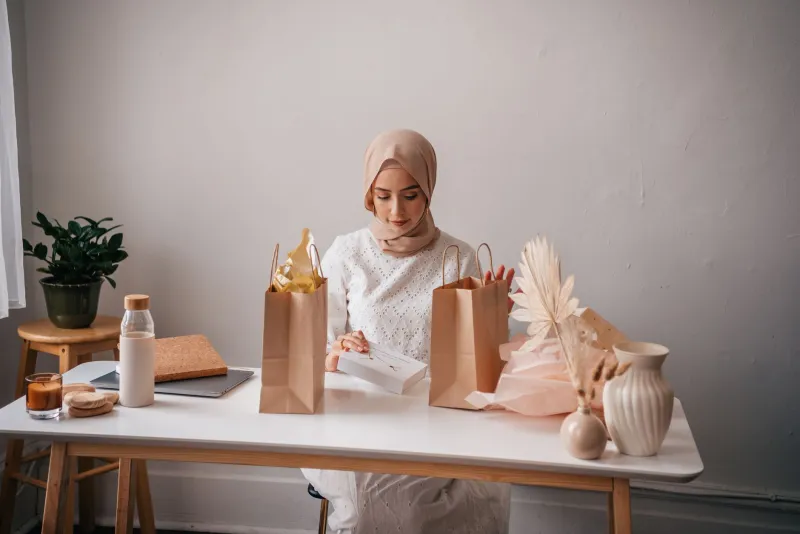
Somewhere in New Jersey, a woman named Priya is packaging her third batch of masala chai this week. Her apartment smells like cardamom and star anise. Her phone keeps buzzing. Someone in Toronto just placed an order. Someone in London left a comment asking if she ships internationally. A food blogger in Houston reposted her Reels video and her follower count jumped by 800 overnight.
Priya isn't running a factory. She's running a brand — and it's catching fire.
This is the new reality for a growing number of desi entrepreneurs across the United States. They're not importing products from South Asia and reselling them. They're making their own — drawing on cultural knowledge, family recipes, and a deep understanding of what the diaspora actually wants — and using Instagram, TikTok, and platforms like Apna Market to turn those products into real businesses.
The Gap Nobody Was Filling
For a long time, if you wanted authentic South Asian products in America, your options were pretty limited: the local Indian grocery store, a handful of imported brands, or your mom's pantry. What was missing was something that felt both genuinely desi and made for people who grew up here.
That's the gap these new brands are filling.
"I couldn't find a chai blend that tasted like what my nani made, but also came in packaging I'd feel comfortable putting on my kitchen counter or gifting to a non-desi friend," says Simran Kapoor, who launched her brand Chai & Co. out of Chicago two years ago. "So I made it myself."
Her blends — which she develops in small batches using whole spices sourced from trusted suppliers — now sell out within hours of a restock announcement. Her Instagram feed is a careful mix of aesthetic flat lays, honest behind-the-scenes content, and the kind of nostalgic storytelling that makes second-gen desis feel genuinely seen.
Why Instagram Actually Works for This
Social media has leveled the playing field in a way that would have been impossible a decade ago. A small brand with a great product and a compelling story can reach more people in a week than a traditional retailer might in a year.
But it's not just about reach. For desi products specifically, Instagram and TikTok create something even more valuable: community validation.
When a second-gen desi in Phoenix sees someone who looks like them, talks like them, and grew up eating the same things raving about a product — that's not an ad. That's a recommendation from someone who gets it. The trust factor is completely different.
"Our best marketing has always been our customers sharing their unboxing videos or showing how they use the product in their everyday lives," says Arjun Mehta, who co-founded a US-based ayurvedic skincare line called Neem & Co. with his sister in 2021. "When a desi girl in California posts our face oil next to her morning puja setup, that image does more for us than any paid campaign."
Neem & Co. started with a single product — a neem and turmeric face oil based on their grandmother's recipe — and has since expanded to a full skincare line. They've been featured in three major beauty publications and recently started wholesaling to a boutique in Brooklyn.
The Economics of Starting Small
Here's something people don't always talk about: the economics of these businesses are genuinely different from traditional retail, and that's part of what makes them viable.
With no physical storefront, no expensive import logistics, and no middleman taking a cut, a small-batch desi brand can actually make real margins — especially when they're selling direct to consumers online.
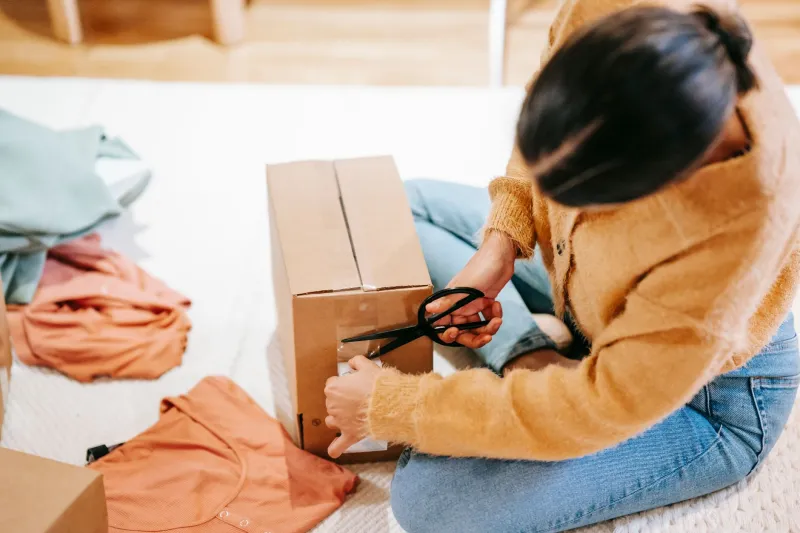
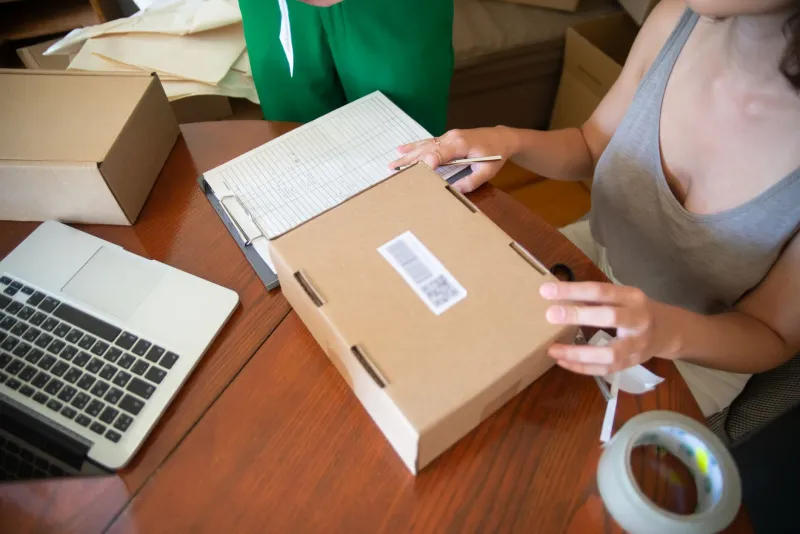
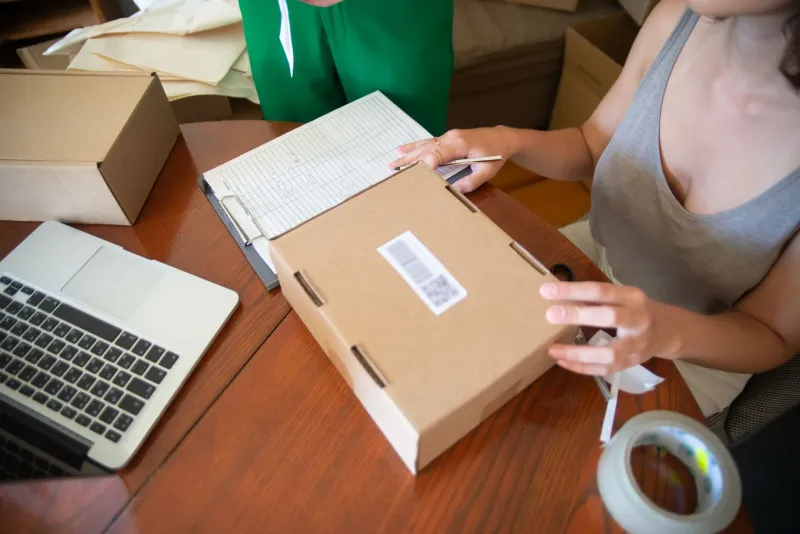
The trade-off is time. Most of these founders are doing everything themselves in the beginning: sourcing, production, packaging, photography, customer service, shipping. It's a grind. But the upside is that they stay close to their product and their customers in a way that bigger brands simply can't.
"I know exactly who's buying from me," says Meera Iyer, who runs a home décor brand out of Austin called Rangoli House, selling hand-painted ceramic pieces inspired by South Indian folk art traditions. "I have DM conversations with my regulars. I know their names. When I release something new, I'm thinking about specific people."
Meera's pieces range from $40 wall hangings to $200 custom commissions. She sells out of every collection within days, mostly through Instagram and her Apna Market storefront.
Gen Z Is the Engine
If there's one demographic driving this movement, it's Gen Z desis — the kids who grew up straddling two cultures and have largely stopped apologizing for either one.
They want products that reflect both sides of who they are. They're not interested in the sanitized, watered-down version of South Asian culture that sometimes ends up on mainstream store shelves. But they also don't want to feel like they're shopping at their parents' grocery store. They want something that's authentically desi and aesthetically sharp and made by someone who actually lives this experience.
That's a very specific ask — and these homegrown brands are delivering it in a way that imported products and big-box retailers simply can't replicate.
"The diaspora is not a monolith," says Simran. "We're not all looking for the same thing. But I think what we're all looking for is something that doesn't make us choose between our heritage and who we are today. That's what I try to make."
Going Global From a Studio Apartment
Here's the twist nobody fully anticipated: these American-made desi brands aren't just selling to the US diaspora. They're going international.
Orders are coming in from Canada, the UK, Australia, and even India itself — where a growing urban consumer base is apparently very interested in the aesthetic that second-gen desis in America have developed around their cultural identity.
It's a kind of cultural export that runs in the opposite direction from what we're used to thinking about. Instead of America importing South Asian culture, South Asian Americans are creating something new and exporting it back.
"I got an order from Mumbai last month," Meera laughs. "Someone bought one of my pieces that was inspired by Tamil Golu dolls and shipped it to Chennai. I didn't know how to feel about that, but honestly? I think it's kind of beautiful."
What This Means for the Market
For anyone paying attention to where desi commerce in America is headed, this trend is hard to ignore. The marketplace is expanding — not just in volume, but in type. Products that didn't exist before are being invented by people who saw a gap and decided to fill it themselves.
Platforms like Apna Market are built exactly for this moment. A marketplace that understands the cultural context, the community, and the specific needs of South Asian shoppers and sellers in America is a fundamentally different thing from a generic e-commerce platform. It's not just a storefront. It's a place where this whole ecosystem makes sense.
For the Priyas and Simrans and Meeras building these brands right now — one batch, one post, one order at a time — that kind of home base matters.
The products are American-made. The roots are desi. And the audience, it turns out, is everywhere.