Shipping Love Westward: How Desi Americans Are Turning Care Packages Into a Full-Blown Business
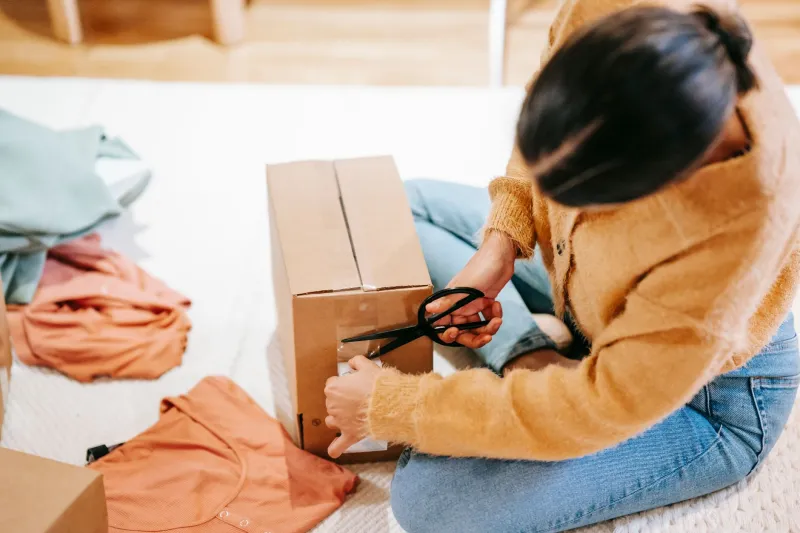
For most of her twenties, Priya Mehta kept a running list in her Notes app. Not a grocery list. Not a to-do list. A send-home list — a rotating catalog of things her mom in Ahmedabad wanted, her cousins requested, and her nani simply couldn't find anywhere near her neighborhood. Collagen supplements from Trader Joe's. A specific shade of OPI nail polish. Medjool dates from Costco. Ghee from a small-batch American producer that had somehow become a talking point in her family WhatsApp group.
"I was basically a personal shopper for my entire family in India," Priya laughs. "And then one day I thought — why am I doing this for free?"
She's not alone. Across the US, second-generation Desis are quietly flipping the script on what we think of as ethnic commerce. Instead of only importing South Asian goods into American homes, they're building businesses around the opposite flow: getting carefully chosen American products — and even niche hybrid goods — into the hands of family and customers back in India, Pakistan, Bangladesh, and Sri Lanka.
Call it care package capitalism. Call it reverse diaspora commerce. Whatever you call it, it's growing fast.
The Original Care Package Economy
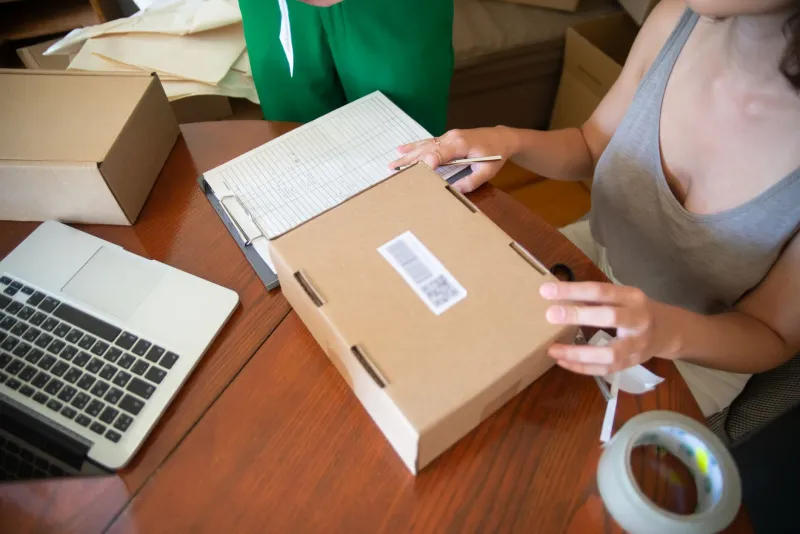
The tradition itself isn't new. South Asian immigrants have been stuffing suitcases and shipping boxes for decades. You know the ritual — the careful Tetris of fitting Kirkland multivitamins, Bath & Body Works lotions, and random snacks between layers of clothes before a trip back home. The unspoken rule that you never visit family empty-handed, and that what you bring carries more meaning than its price tag.
But what's changed is scale, structure, and sophistication. What used to be a personal errand has become, for some entrepreneurs, an actual business model — one that marketplace platforms are now helping to legitimize and systematize.
Online communities, especially among younger Desis, have made this easier to organize. Group buys, shared shipping containers, and coordinated drops have replaced the lone suitcase. And where there's coordination, there's commerce.
What's Actually Being Sent
The product mix might surprise you. Sure, supplements and skincare are perennial favorites — American wellness brands carry serious cachet in many South Asian markets. But the more interesting story is in the niche stuff.
Small-batch American hot sauces. Specialty coffee blends. Craft chocolates. Korean-American fusion snacks that you can only find in certain US cities. Even certain Desi-American food brands — products made by South Asian entrepreneurs here in the US using traditional recipes but with American-quality packaging and certifications — are finding enthusiastic audiences back in the subcontinent.
There's a real irony there. A masala blend made by a Punjabi-American woman in New Jersey, using her grandmother's recipe but packaged for US grocery shelves, is now being shipped back to Punjab because the quality and branding resonate with a younger, urban South Asian consumer who wants something that feels both familiar and elevated.
That's the hybrid product economy in action — and it's one of the most interesting gaps in the market right now.
The Logistics Are Real (And Really Complicated)
Anyone who's tried to ship a box of food products internationally knows the headache. Customs regulations, import duties, restricted ingredient lists, and unpredictable delivery timelines can turn a simple care package into a bureaucratic nightmare.
This is exactly where entrepreneur-minded Desis have found their opening. Several small businesses have built their entire value proposition around solving this problem — handling the compliance, the customs documentation, the last-mile delivery coordination in destination countries. They're not just shipping boxes; they're shipping peace of mind.
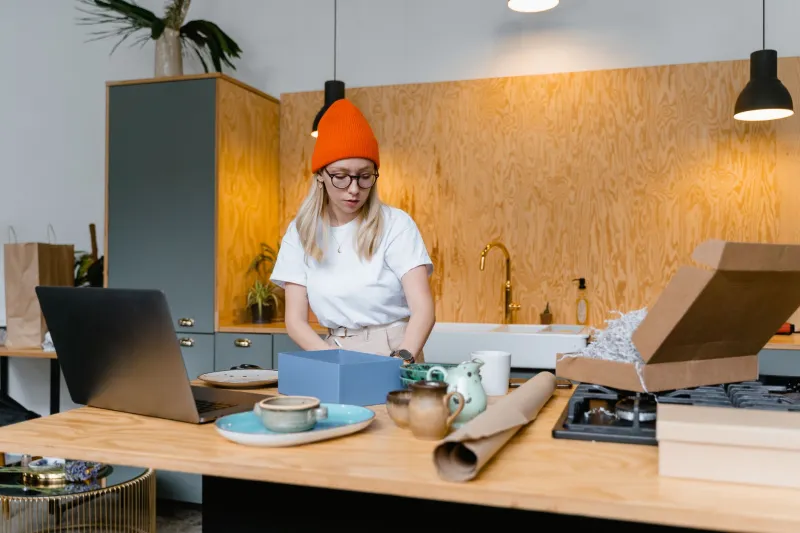
Some of these operations started as side hustles. A guy in the Bay Area who started consolidating shipments for his friend group. A woman in New Jersey who began sourcing and forwarding American skincare for a small group of paying customers in Karachi. Over time, word spread through community networks, and suddenly these weren't side hustles anymore.
The margins aren't huge, but the loyalty is real. Customers who trust you to get their package through customs and to their parents' doorstep in one piece will come back again and again.
Emotional Economics — Why This Isn't Just About Products
Here's the part that gets overlooked when people talk about this as a business trend: the emotional weight of what's being sent is enormous.
For many second-gen Desis, the ability to send something home is a form of connection that transcends the product itself. When Priya ships her mom a bottle of the exact vitamin D supplement her doctor recommended, she's not just fulfilling a request. She's participating in the ongoing negotiation of what it means to be a good child, a present family member, a person who hasn't forgotten where she came from — even though she's building her life thousands of miles away.
That emotional layer is what makes this market so resilient. People will find a way to send things home even when it's expensive and complicated, because the act of sending carries meaning that no amount of friction can fully neutralize.
Businesses that understand this — that they're not just in the logistics business, they're in the belonging business — tend to build communities, not just customer bases.
Where Marketplace Platforms Come In
The next evolution of this trend is platform-driven. As more Desi-focused marketplaces emerge in the US, the opportunity to build dedicated reverse-commerce infrastructure becomes real. Imagine a marketplace that doesn't just connect you with Desi products in America, but also helps you curate and send a box back home — with built-in customs support, vetted product lists, and trusted carrier partnerships.
That's not a fantasy. The demand is clearly there. The community infrastructure — the WhatsApp groups, the Facebook communities, the word-of-mouth networks — already exists. What's missing is the organized, reliable, scalable layer that turns a fragmented hustle into something that actually works every time.
For platforms like Apna Market, this represents a genuine frontier. The marketplace model is already built around connecting Desi buyers and sellers in the US. Extending that logic to include cross-border flows — American products going back to South Asia, hybrid goods finding new audiences in both directions — is a natural expansion of the same core idea.
The Bigger Picture
What this reverse commerce movement really signals is a maturation of the South Asian diaspora's relationship with both its adopted home and its origin. The first generation built lives here. The second generation is building bridges — cultural, commercial, and emotional ones — that flow in multiple directions simultaneously.
The care package was always a bridge. The entrepreneurs turning it into a business are just widening the road.
And somewhere in Ahmedabad, Priya's mom is probably already adding something new to the list.