From Grandma's Kitchen to the Beauty Aisle: How Desi Skincare Is Earning Its Spot on American Shelves
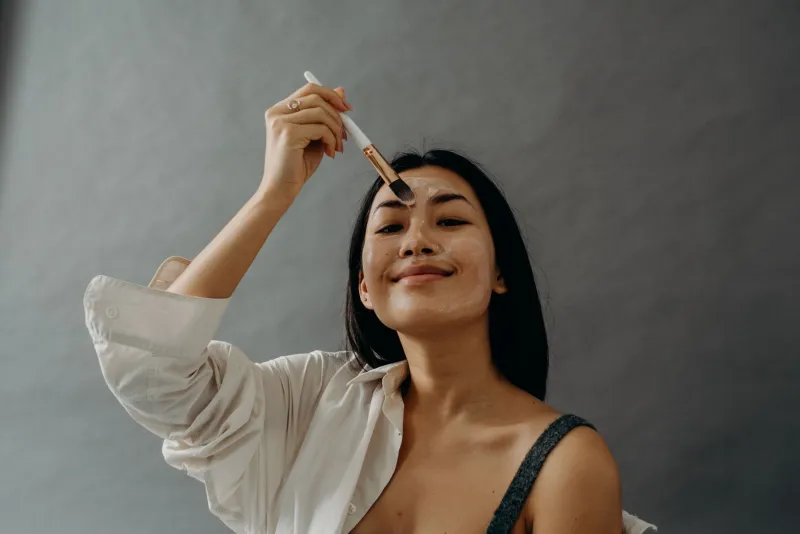
For most South Asian women who grew up in America, the beauty routine started way before any trip to the drugstore. It started in the kitchen. Besan mixed with turmeric and a little yogurt. Coconut oil warmed on the stove and worked through the ends of your hair. A dab of rose water on the face before bed. These weren't "skincare rituals" — they were just Tuesday.
Now, somehow, Tuesday has become a trend. And a very profitable one at that.
Desi beauty brands — built on the same ingredients that South Asian families have sworn by for centuries — are quietly landing on the shelves of mainstream American retailers. What used to require a special trip to the Indian grocery store, or a care package from your nani, is inching closer to the checkout line at Target. And the founders making it happen have some pretty interesting things to say about how they got there.
The Glow-Up Nobody Saw Coming
Let's be honest: for a long time, South Asian beauty products in America had an image problem. Not because the products weren't good — anyone who's ever used pure kalonji oil on a stubborn skin patch knows they work — but because they were almost entirely invisible to mainstream consumers.
The "ethnic aisle" at most grocery chains was an afterthought. Tiny, poorly lit, and stocked with products that felt like they were imported more out of obligation than enthusiasm. Meanwhile, the beauty industry was busy chasing K-beauty trends, Scandinavian minimalism, and whatever a $90 French serum promised to do for your pores.
But something shifted. Slowly at first, then all at once.
Turmeric became a buzzword in wellness circles. Ashwagandha started appearing on the labels of mainstream supplement brands. Ayurveda — a 5,000-year-old system of medicine that South Asian families had never stopped practicing — suddenly became the inspiration for a whole new wave of "clean beauty" marketing. American consumers were basically discovering what Desi households had always known, just packaged differently.
That gap between what was trendy and what was authentic? That's exactly where a new generation of South Asian beauty entrepreneurs decided to plant their flag.
The Founders Who Saw It First
Take the wave of small-batch brands that have been building quietly on platforms like Apna Market and Instagram for the last few years. Many were started by second-generation Desi women who were tired of watching Western brands profit off diluted versions of their heritage while the real thing stayed hidden in ethnic grocery stores.
The pitch was simple: why buy a "turmeric-infused" face wash from a brand that learned about haldi last year, when you can buy from someone whose family has been making this stuff for generations?
Founders talk about the early days with a mix of pride and exhaustion. Sourcing ingredients from trusted suppliers, often the same ones their families used back home. Navigating FDA labeling requirements that nobody warned them about. Building a customer base one Instagram DM at a time. And then, eventually, getting the call from a buyer at a regional chain who'd seen their product going viral on TikTok.
That last part is new. And it's changing everything.
Social Media Did What the Ethnic Aisle Couldn't
If you want to understand how Desi beauty went mainstream, you have to talk about the role of content creators. A generation of South Asian beauty influencers — many of them American-born, many of them openly navigating the tension between their heritage and their hyphenated identity — started making content that centered Desi beauty traditions without apologizing for them.
Videos about the "right" way to do an oil massage (champi, for those keeping score) racked up millions of views. Henna tutorials went from niche to ubiquitous. Skincare routines built around multani mitti and sandalwood became ASMR gold. And every time a non-Desi viewer commented "wait, what IS that?" — that was a potential customer for a Desi brand ready to answer the question.
Retailers noticed. Beauty buyers, whose job it is to track exactly these kinds of cultural shifts, started paying attention to what was gaining traction online. A product with a devoted community and a clear story is a much easier sell than a generic moisturizer fighting for shelf space with fifty identical competitors.
Some brands parlayed their online followings directly into retail conversations. Others got picked up by curated marketplaces first — including platforms specifically built to support South Asian businesses — and used that credibility as a stepping stone to bigger distribution deals.
What "Mainstream" Actually Means Now
Here's the thing about Desi beauty breaking into American drugstores: it's not just a win for the brands. It's a signal about who American consumers are becoming.
The US beauty market is enormous — running well into the hundreds of billions of dollars — and it's increasingly driven by consumers who want products that reflect their actual lives, not a homogenized idea of beauty that was designed without them in mind. South Asian Americans are a growing, economically powerful demographic. And they've spent decades making do with products that weren't quite right for their skin tones, hair textures, or cultural preferences.
Brands that speak to that experience authentically aren't just filling a niche. They're building real loyalty. And loyalty, in the beauty industry, is worth more than almost anything else.
There's also a crossover effect worth noting. Plenty of non-Desi consumers are actively seeking out products rooted in South Asian tradition — not because they've been marketed to, but because they've seen the results. A friend who swears by her ayurvedic hair oil. A coworker whose skin looks incredible and whose entire routine costs $15. Word of mouth is still the most powerful marketing in beauty, and Desi products have been winning that game quietly for years.
The Next Chapter for Desi Beauty Entrepreneurs
For the founders who've been grinding away at this for years, the current moment feels both exciting and a little complicated. There's genuine pride in watching Desi beauty get its flowers. There's also a real concern about what happens when big brands start co-opting the trend without the cultural context — which, frankly, is already happening.
The antidote, most founders agree, is staying close to the community. Selling through platforms that actually support South Asian businesses. Being loud about where ingredients come from and what traditions they represent. Making sure the story travels with the product, not just the aesthetic.
For shoppers, the message is equally clear: if you're going to invest in Desi beauty — and honestly, why wouldn't you — buy from the people who built it. The brands on Apna Market. The founders who learned these recipes at their grandmother's knee and spent years figuring out how to share them with the rest of America.
That's not just good shopping. That's how a culture stays in control of its own story.
And that, more than any shelf placement at a national chain, is the real revolution.