The Label You Have to Read Three Times: Inside the Allium-Free Desi Pantry
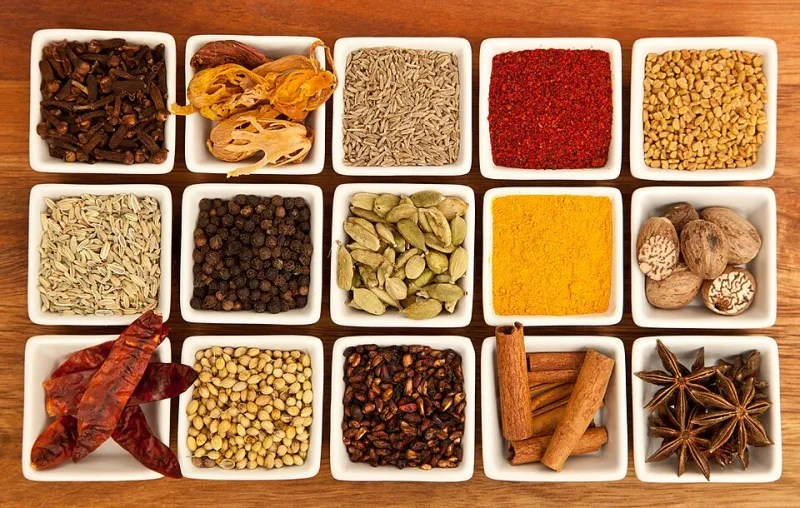
Photo: Joe mon bkk, CC BY-SA 4.0, via Wikimedia Commons
There is a specific kind of exhaustion that comes from standing in a grocery aisle holding two jars of the same brand of masala, turning them over, and reading the ingredient panel twice because the first read did not settle it.
For a Jain shopper, a Swaminarayan household, someone following an ayurvedic regimen, or a person with a genuine allium sensitivity, this is not a hobby. It is the entire shopping experience. And online, where you cannot flip the jar over, it becomes something closer to a gamble.
A big segment hiding in a small filter
Here is the quiet truth about the American desi market: a meaningful share of it cooks without onion and garlic, and almost none of it is served well by current listings.
Jain practice rules out root vegetables along with alliums. Many Swaminarayan households keep a strict no-onion, no-garlic kitchen, sometimes with additional restrictions. Ayurvedic diets often cut alliums for specific periods or conditions. And then there is the plain, unglamorous growth area: people with IBS, FODMAP sensitivities, or a straightforward garlic allergy who discovered that South Asian food is one of the hardest cuisines to eat safely from a package.
These shoppers are not a fringe. They are the auntie who cooks for a family of six, the college student whose mother sends care packages, and the young professional who wants a decent frozen meal that will not wreck her evening. They are also, collectively, extremely loyal to whoever gets it right.
Why 'no onion no garlic' is a supply problem, not a slogan
Sellers often treat allium-free as a marketing bullet. In practice it is a formulation and sourcing problem, and it shows.
A standard garam masala may be clean. A standard 'curry powder' usually is not. Many commercial pastes — ginger-garlic, tikka, biryani — are built on allium bases and cannot be reformulated cheaply. Asafoetida, the classic substitute, is often cut with wheat flour as a carrier, which quietly disqualifies it for gluten-free shoppers. Sambar and rasam powders vary wildly by brand. Frozen parathas are usually fine; frozen samosas often are not.
The result is a category where the label says one thing and the ingredient panel says another, and the shopper has learned to trust the panel over the front of the box.
What shoppers are actually looking for
Based on what people ask for repeatedly in desi grocery groups, the demand clusters in a few predictable places:
- Masalas and blends that are genuinely allium-free and say so with an ingredient list, not a badge.
- Snacks — khakhra, plain mathri, certain chakli and murukku, roasted dhals, and sweets that do not sneak in garlic powder.
- Frozen and ready meals — Jain-friendly curries, allium-free paneer dishes, plain parathas, and restaurant-style gravies without the base paste.
- Restaurant shortcuts — jarred makhani and korma bases, chaat chutneys, and instant noodle kits, which is where the gap is widest.
- Everyday staples that people assume are safe until they are not: certain pickles, certain instant mixes, certain namkeen.
Where sellers keep fumbling
Three mistakes come up again and again.
The badge without the panel. A 'No Onion No Garlic' sticker on the front image is nice. A photographed, legible ingredient list on the product page is what actually closes the sale. Do both.
No mention of shared equipment. For someone with a real allergy, 'may contain' matters as much as 'contains.' Say it plainly on the listing instead of burying it on the physical package nobody can read through a screen.
Silence on substitutions. If your masala uses asafoetida instead of onion, say so — and say whether the hing contains wheat. If your 'no garlic' claim depends on a supplier's word, be honest that it does. Shoppers in this segment have been burned enough times that vagueness reads as concealment.
There is also the language problem. 'Satvik' is not a synonym for allium-free, and 'Jain' is not a synonym for vegan. Confusing them loses you the customer who knows the difference, and that customer is exactly the one you wanted.
The trust math
Here is the thing about this segment that makes it worth the effort: once a shopper finds a seller who labels honestly, she stops shopping around. She does not want to re-audit every purchase. She wants a short list of brands she can buy without reading the panel three times in her kitchen at nine at night.
That is a durable customer. Retention in this corner of the market is not won with discounts. It is won with a product page that answers the question before it gets asked.
What to stock first
If you are a seller testing the waters, do not try to build the whole aisle at once. Start with the things people ask for most: a clean allium-free garam masala, a Jain-friendly frozen entree or two, plain khakhra in a few flavors, a sambar powder you can document, and one honest restaurant-style gravy base. Photograph every panel. Write a plain-English note on each listing about what is and is not in it.
Then watch the reviews. The shoppers who find you will tell you exactly what to add next.