Group Chat Cart: Why the Desi Aunty With 400 Members Beats Your Marketplace Listing

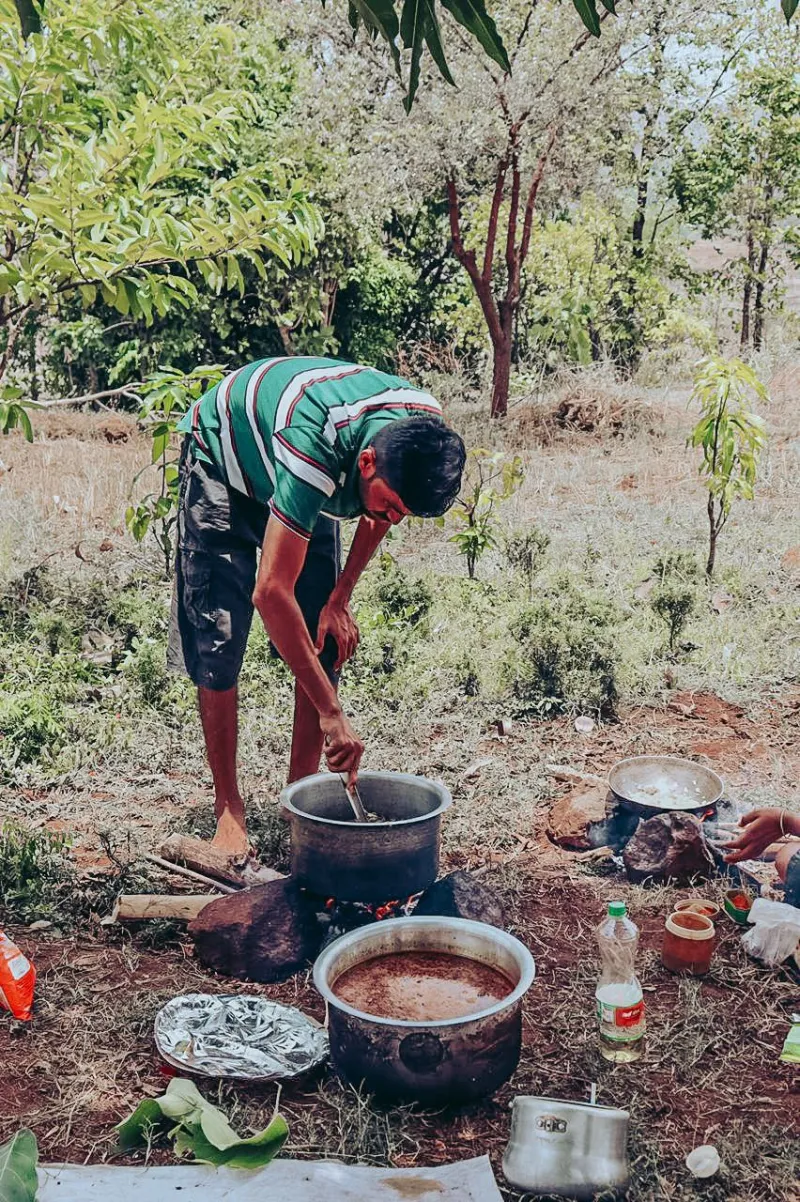
Photo: Nirmal Dulal, CC BY-SA 3.0, via Wikimedia Commons
On a Tuesday night in Edison, New Jersey, a woman named Bina Shah does what she does most Tuesdays. She opens a WhatsApp group called Achaar & Co. — NJ Chapter, checks the pinned message, and types three words: Who needs ghee? By 11 p.m. she has 47 replies, a dozen Venmo transfers, and a vendor in Queens promising twelve jars of cultured desi ghee at $18 each — four dollars under the shelf price at her local store.
Bina is not a retailer. She's a retired schoolteacher with 412 group members, a shared spreadsheet, and a level of trust that no product listing page in America has figured out how to buy.
Welcome to the aunty economy. It's been running quietly for a decade, and in 2026 it still out-converts most polished storefronts in the ethnic grocery space.
Where the Trust Actually Lives
A marketplace listing tells you a product exists. A WhatsApp thread tells you who else bought it and whether they complained.
That's the whole difference, and it's enormous. When a seller posts in Bina's group, the responses aren't reviews — they're relationships. Someone vouches that the pickle didn't arrive leaking. Someone else mentions the vendor's daughter went to the same college. A third person posts a photo of last year's Diwali order, still sealed and shelf-stable in her garage.
For a first-time buyer scrolling a nameless catalog, a jar of mango achaar is a $14 gamble with a two-star review section. In the group, it's a jar that three people on your street already own. The perceived risk drops to almost nothing, and the price sensitivity drops with it.
That's why group buys routinely beat retail pricing. Forty households ordering together get wholesale-tier rates, and the savings get passed along in the thread before any app ever sees the transaction.
Anatomy of a Group Buy
The mechanics are unglamorous and weirdly efficient:
- The pin. The admin posts a deadline, a price, and a payment handle. No carousel, no upsell, no cart abandonment email.
- The reply chain. Members respond with quantities. Someone inevitably replies to the wrong message and a gentle correction follows.
- The collection point. A garage, a temple parking lot, a Patel Brothers lot on Route 1, or a kitchen counter in Fremont.
- The handoff. Ziplock bags, name labels, and a running joke about whose container is whose.
Total elapsed time from poll to pickup: about nine days. Total overhead: a spreadsheet and goodwill.
Food Is the Gateway, Everything Else Follows
What started with ghee, gud, and Gujarati farsan has widened. These days the same threads move sarees from a Surat wholesaler, handmade agarbatti, pressure cookers bought in bulk during a sale, and festival sweets booked six weeks before Navratri.
But food remains the engine, because food is where the ritual lives. A group that coordinates a Diwali mithai order is a group that will trust each other on almost anything else. The transaction is small. The relationship is the asset.
Where the Thread Breaks
The aunty economy has failure modes, and they're worth naming honestly.
The vanishing vendor. A new seller joins, collects prepayments, and goes quiet. Recovery is basically social — the admin posts a warning, the group remembers, and the seller's name becomes a cautionary tale in three other cities within a week. Effective, but only after someone loses money.
The cold chain gap. Pickles and spices survive a trunk ride. Frozen parathas and paneer often don't. A group buy that ends in an hour in a Dallas parking lot in August is a food-safety coin flip.
The payment trail. Venmo between friends is one thing. A hundred prepayments with no invoice, no order record, and no refund policy is another. When something goes wrong, there's no dispute mechanism — only a screenshot thread.
The scale ceiling. One aunty can manage 400 people. At 900, the spreadsheet wins, and the group quietly splits into two.
What Online Sellers Keep Getting Wrong
The instinct when you see this ecosystem is to try to replace it. Launch a referral program, build a community tab, gamify the reviews. Almost none of it works, because the value isn't in the features — it's in the fact that the admin's name carries consequences.
What actually works is narrower and less exciting:
Let the admin stay the admin. Give her a real wholesale rate, a clean invoice, and a delivery window she can promise. Don't try to convert her members into your direct customers behind her back. The fastest way to lose the channel is to poach it.
Make the group buy easy to execute. Bulk packing in one box, labeled, sorted per household. The seller who shows up with forty pre-bagged orders labeled by name gets reordered. The one who ships forty loose jars does not.
Be boring about money. A real invoice, a stated refund window, and a refund that arrives in three days instead of three weeks. Trust survives in chat, but it also dies there, fast and permanently.
Show up on time, especially on the food. A vendor who delivers chilled sweets in an insulated bag to an August pickup in Houston gets talked about for a year.
The Lesson Nobody Puts on a Landing Page
Marketplaces are built on discovery — help people find what they didn't know they wanted. The aunty economy is built on the opposite: it removes choice and replaces it with certainty. One jar, one price, one person who already checked.
For a small Desi seller in the US, that's the more achievable target. You probably can't outspend a big platform on ads. You can, however, become the name a group admin is happy to pin.
Bina's group closed the ghee order in eleven hours. The vendor in Queens had a rough night and a good month. Nobody involved ever opened a shopping app.