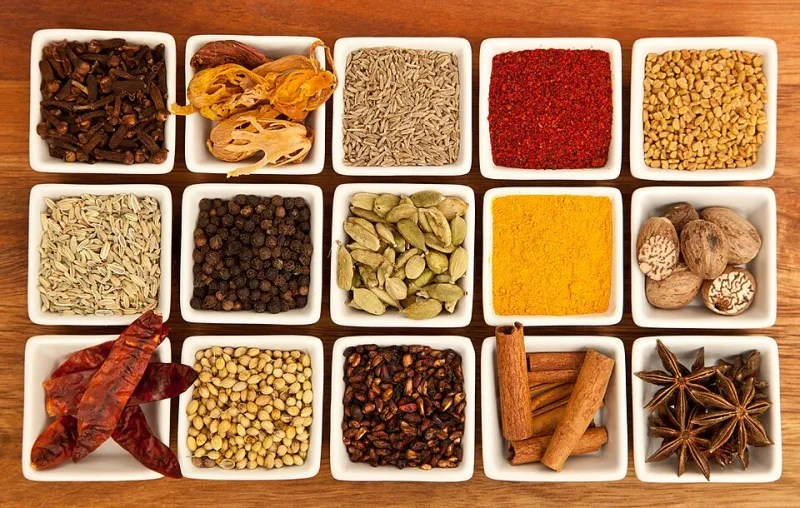
The Listings Are Younger Than the Store: How Desi Grocery's Second Generation Is Rewriting the Shelf
Photo: DHN, CC BY-SA 4.0, via Wikimedia Commons
The store on the corner has been in the family since the nineties. The website is eleven months old, and it was built by someone who was in middle school when the original lease was signed.
This is the handoff happening in desi grocery stores across the country right now, and it does not look like a succession plan. There is no ceremony, no announcement on the receipt. One day the listings are a wall of distributor photos and misspelled product names. A few months later they are shot on a phone against a clean white board, tagged properly, and shared in a WhatsApp group of four hundred people before the weekend.
The register was never the point
Ask the parents what they thought the business was, and the answer is consistent: inventory, margins, and relationships. You know the wholesaler. You know which brand of atta moves and which one sits. You know that the aunty from the temple will drive twenty minutes for the right frozen parathas and will never come back if you are out of them twice.
Ask the kids, and the answer is different. They see a search results page with nothing on it. They see a Google Business listing with no hours updated since the pandemic. They see a customer who found the store on Instagram, drove over, and left because the website said 'call for availability.'
That gap — between a business run on memory and a customer who runs on search — is where the entire drama lives.
What the kids see that the parents can't
A twenty-eight-year-old in Jersey City who took over her father's listings last spring describes the first inventory she did as 'an archaeology dig.' Products with no barcode. Three brands of the same pickle filed under one name. A freezer section that was, on paper, empty, because none of the items had ever been entered into the system.
Her first move was not a marketing campaign. It was a spreadsheet with columns for brand, region, weight, and a photo. Her second move was photographing the front of every package herself, because a distributor image that says 'PREMIUM QUALITY' in gold lettering tells a shopper nothing about what is inside.
Her third move was the one that actually changed the numbers: she started posting restock updates in a local desi group chat every Thursday. No ads, no discount codes. Just 'fresh mithai arrived, the good frozen samosas are back, and we finally got the brand of ghee you all keep asking about.'
The store now gets online orders from people who have never walked in.
The sourcing fight
Not every part of the transition is smooth, and the friction is almost always about sourcing.
The parents buy what they know. They have spent thirty years building relationships with distributors, and they trust a handshake over a spreadsheet. The kids want to test a DTC brand they found on TikTok, or stock a vegan product, or bring in a regional line from a smaller supplier who ships from a warehouse two states over.
Sometimes the parents are right. A brand that trends online can sit on the shelf for eight months, and shelf space is cash. Sometimes the kids are right. A product nobody in the family has heard of sells out in three weeks because the audience for it never walked into the store before.
The stores that seem to be working it out have landed on a simple rule: the parents keep sourcing authority, the kids keep presentation authority, and new products get a ninety-day trial with a real number attached to it. No vibes, no family loyalty. Just does it move.
Nostalgia, but with a checkout that works
There is a version of this story that gets told as a culture clash, and that framing is lazy. What is actually happening is more interesting: the second generation is translating nostalgia into a format that survives contact with how people shop in 2026.
That means figuring out that the customer searching for 'patha' is looking for the same thing as the customer searching for 'colocasia leaves,' and that neither of them will ever type 'eddo.' It means knowing that a group chat order placed at 11 p.m. on a Tuesday needs to be packed by Thursday, because the auntie who runs the chat has a temple event on Saturday.
It also means accepting that the store's real competitive advantage is not price. It is that the people running it can tell you which brand of asafoetida is worth buying, and can say it in a video that takes forty seconds to film.
What it means for buyers
The practical upside for shoppers is already showing up. Better photos. Accurate stock. Fewer surprises when the bag arrives. A phone number that someone actually answers, usually a younger someone who will text you a picture of the shelf to confirm the exact product before packing it.
The downside is transitional. Some listings are half-finished. Some items are priced with a guess. Some stores are still running a website and a warehouse that do not fully agree with each other.
But the direction is clear. The next generation is not inheriting a store. They are inheriting a customer base that has moved online, and they are rebuilding the store around it — one photographed label at a time.