Born Between Two Worlds: How Young Desis Are Becoming the Hottest Consultants in Ethnic Commerce
There's a particular skill that a lot of second-generation Desis developed without realizing it was a skill. The ability to walk into a room full of Americans, explain what chaat is, make it sound delicious, and have everyone nodding along by the end. Then walk into their parents' kitchen and switch entirely — back to Urdu, Gujarati, Tamil, or Punjabi, back to a different set of references, a different register, a different world.
For years, this was just a survival mechanism. Now it's a career.
Across the US, a growing number of Gen-Z and millennial South Asian Americans are building consulting practices, creative agencies, and advisory roles specifically around their ability to move fluently between Desi and mainstream American commercial cultures. They're helping immigrant-owned food businesses get onto Whole Foods shelves. They're redesigning packaging so it reads as premium to American buyers without erasing its South Asian identity. They're translating not just language but entire worldviews — and the market is paying attention.
The Translator's Advantage
The consulting space that these young Desis are carving out isn't really about language. Most first-generation South Asian entrepreneurs in the US already speak functional English. What they often lack is fluency in American retail culture — the unspoken rules about label design, the way ingredient lists need to be formatted for FDA compliance, the specific tone that works on a product that's trying to sit next to KIND bars at Target.
"My mom has been making her masala blends for fifteen years," says Simran Dhaliwal, 28, who now consults for several South Asian food brands from her apartment in Chicago. "She knows the product. She knows her customers. But she had no idea that putting 'Aunty Simran's' on the label would make it harder to get into retail chains, or that her packaging colors read as 'ethnic specialty' rather than 'premium pantry staple' to a mainstream buyer. That's not her failure — it's just a different language she never needed to learn."
Simran learned it for her. And for a growing list of clients.
What These Consultants Actually Do
The work varies widely depending on the client and the goal, but a few themes come up consistently.
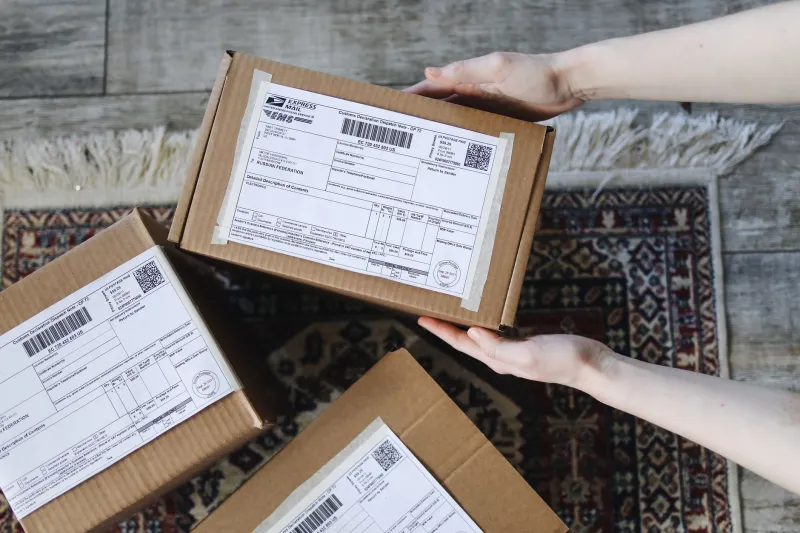
Packaging and brand positioning. This is often the first conversation. Many Desi food and beauty products are packaged for a Desi buyer — dense with text, rich with color, sometimes featuring imagery that carries deep cultural meaning but reads as cluttered to an American eye. Young Desi consultants are helping sellers find the balance: stripping back the noise without stripping out the soul.
Regulatory navigation. The FDA has specific requirements for food labeling that many small immigrant-owned businesses run into unexpectedly. Knowing what needs to be on a label, how allergens must be listed, what health claims are and aren't permissible — this is dense, unglamorous work, but it's often what stands between a seller and a legitimate retail opportunity.
Storytelling for mainstream audiences. There's a version of every Desi product's story that resonates with a non-Desi buyer — and it's usually not the version the seller naturally tells. Ravi Nair, 31, who works with South Indian food brands in the Bay Area, says his biggest job is often reframing. "A seller will describe their product in terms of family tradition and regional authenticity. All of that is true and beautiful. But a mainstream American buyer at a farmer's market needs a 10-second hook. My job is to find the version of the story that's honest and still lands fast."
Authenticating products to skeptical buyers. This one is subtle but important. Mainstream retailers and buyers are increasingly aware that the "ethnic food" category has been gamed — products marketed as authentic that were manufactured with minimal connection to the culture they claim. Young Desi consultants can serve as credible authenticators, vouching for the real provenance of a product in a way that carries weight precisely because they're not the seller.
The Insider-Outsider Edge
What makes these consultants valuable isn't just knowledge — it's credibility in two directions simultaneously. They're trusted by Desi sellers because they share the cultural context. And they're trusted by mainstream buyers because they've spent their whole lives learning to communicate across that divide.
Neha Patel, 26, who grew up in suburban Ohio and now helps South Asian beauty brands navigate the US wellness market, describes it this way: "I can walk into a pitch meeting with a Sephora buyer and explain why turmeric skincare isn't a trend — it's a thousands-year-old practice that my grandmother used. And I can do that without it sounding defensive or like a lecture, because I've been translating my culture my whole life. That's not something you can fake."
There's also a dimension of protection in what they do. First-generation sellers are sometimes vulnerable to bad advice from people who don't understand their product, their market, or their constraints. Having a trusted advisor who genuinely gets the culture — and who has a personal stake in seeing Desi businesses succeed — matters.
Not Without Complications
This role isn't without tension. Some older sellers are initially resistant to the idea that their American-born kids or a young consultant knows more about their market than they do. There's also a real question about who gets to speak for a culture — and whether the version of "Desi" that gets packaged for mainstream American consumption is always the most honest one.
Simran acknowledges this directly. "There's always a risk of flattening," she says. "Of taking something complex and making it digestible in a way that loses something. I try to stay aware of that. The goal isn't to make Desi products palatable to everyone. It's to help them reach the people who will genuinely love them."
A Generation Finding Its Role
For a long time, the narrative around second-generation Desis in business was about assimilation — making it in mainstream American industries, leaving the ethnic economy behind. What's happening now feels like a different story. These young professionals are turning back toward the community, using everything they learned navigating two worlds to build something that serves both.
For Desi sellers trying to grow beyond the community marketplace into something bigger, that kind of guide is worth a lot.