Loose, Flowy, and Fully Desi: How Online Fashion Is Finally Dressing the Body You Actually Have
If you grew up desi in America, you probably know the feeling. You're at a family function, wearing something that technically fits but somehow feels like a performance. The dupatta is pinned just so. The salwar is a size up from what the tag says because desi sizing runs small — everyone knows this, nobody says it out loud. You smile for the photos and spend the rest of the evening tugging at things.
That experience is so common it's practically a rite of passage. But a growing number of South Asian fashion sellers, many of them operating through online marketplaces, are actively working to make it a thing of the past.
The Old Standard and Who It Was Built For
Traditional desi fashion — the stuff exported from South Asia, designed in South Asian markets, sized according to South Asian retail norms — was built around a body type that many American-born or American-raised desis simply don't have. And it's not just about weight. It's about proportions: broader shoulders, longer torsos, bigger hips, fuller arms. Bodies shaped by different food, different activity patterns, different genetics than what the original market assumed.
"I've been a size 12 my whole adult life," says Simran Dhaliwal, a 29-year-old in the Bay Area who shops for ethnic wear online. "In American stores that's totally normal. In desi stores — online or in person — it basically means I'm large or extra-large, and half the styles just don't come in my size at all. It's exhausting."
For years, the workaround was custom tailoring. You bought fabric, found a tailor, got something made. Effective, but not exactly convenient when you're ordering online at 11pm and need something for a wedding in three weeks.
Enter the Oversized Silhouette
Something interesting happened in the last few years. Oversized and relaxed silhouettes — already dominant in mainstream American streetwear — started bleeding into desi fashion in a meaningful way. Kurtas got longer and wider. Palazzo pants replaced the fitted churidar. Co-ord sets with boxy cuts started showing up on desi fashion Instagram accounts and, increasingly, on online marketplaces.
Part of this is pure trend crossover. Gen Z desi shoppers are influenced by the same aesthetics as their non-desi peers — the vintage-inspired, comfort-first, anti-skinny-jeans energy that's been reshaping fashion broadly. Why would their ethnic wardrobe be any different?
But there's something deeper going on too. The oversized silhouette isn't just a trend for this demographic — it's a solution.
"When I design something with a relaxed fit, I'm not thinking about hiding anything," says Meera Kapoor, who sells a line of contemporary Indian-inspired womenswear through her online store. "I'm thinking about making something that works on a range of bodies without anyone having to do mental gymnastics about sizing. Loose is freeing. It's also just more wearable for real life."
What 'Looking Desi' Means Now
For a lot of second-generation and 1.5-generation desis, the question of what counts as "authentically" ethnic in clothing has always been a little loaded. Too casual and you're not doing the culture justice. Too formal and you look like you're in costume at your own family's gathering.
The sellers navigating this most successfully are the ones who've stopped trying to answer that question on behalf of their customers and started just listening instead.
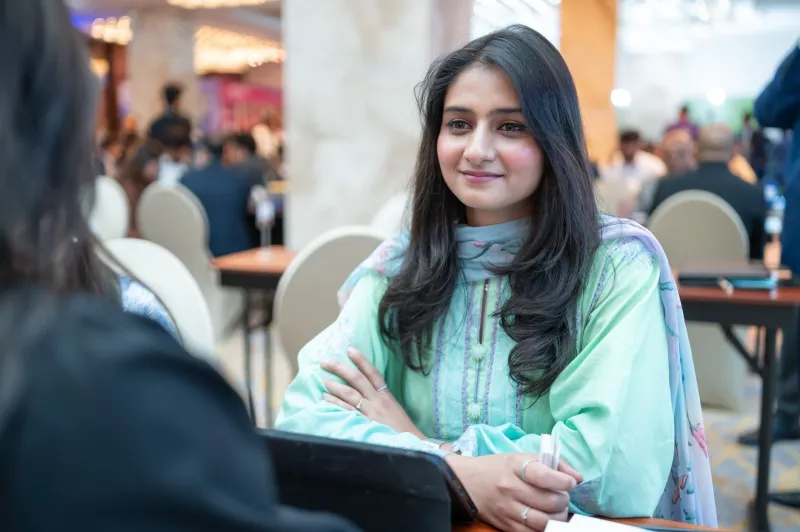
"My customers are not trying to look like they just stepped off a flight from Mumbai," says Preethi Anand, who runs a small ethnic wear shop that sells primarily through platforms like Apna Market. "They want something that feels connected to their roots but works for their actual life. That might be a block-print kurta with jeans. It might be a mirror-work jacket over a tank top. The fusion is the point."
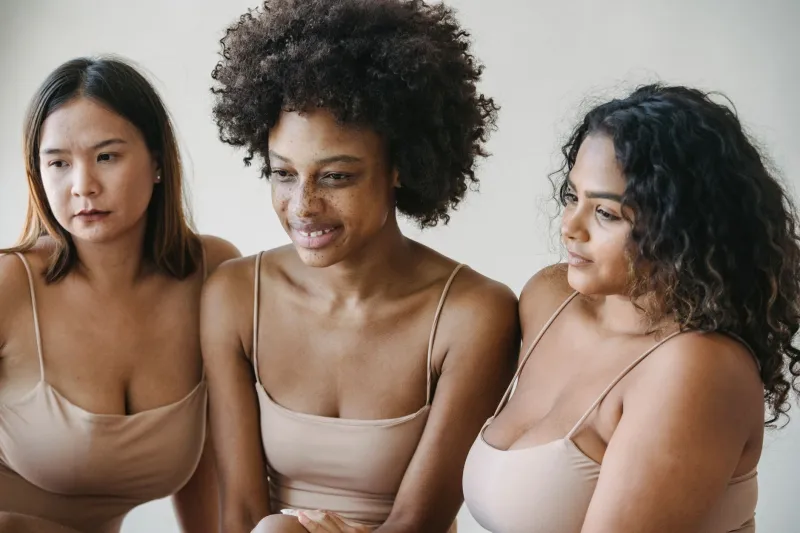
This shift is also showing up in how sellers photograph and market their products. Where traditional desi fashion photography leaned heavily on slim, light-skinned models in formal settings, a new wave of sellers is using diverse models, realistic body types, and casual settings — a backyard, a farmers market, a kitchen — that reflect the actual lives of their customers.
The Sizing Conversation Gets Louder
Size inclusivity in desi fashion is still a work in progress. Many sellers have extended their ranges to include larger sizes, but the execution is inconsistent. A size 2X that's simply a stretched version of a size S, with no changes to proportions or construction, isn't actually inclusive — it just has a bigger number on the label.
The sellers getting this right are doing the harder work: grading patterns properly across sizes, testing on a range of fit models, and being honest in their size guides. Some have started including detailed measurement charts with photos — not just "S/M/L" labels, but actual centimeter measurements and guidance on how the garment is meant to fit.
"I started including a 'how this fits' section in every product listing after I got too many returns from customers who felt misled," says one seller. "Now my return rate is way down and my reviews are way up. People just want honest information."
The Market Is Paying Attention
It would be easy to dismiss this as a niche trend — a small corner of the desi fashion market catering to a vocal minority. But the numbers suggest otherwise. Sellers who've expanded their size ranges and leaned into relaxed silhouettes consistently report higher engagement, stronger repeat purchase rates, and better word-of-mouth than those still operating on the old model.
The desi diaspora in America is not a monolith. It includes bodies of every shape, fashion sensibilities ranging from ultra-traditional to completely hybrid, and a growing insistence on not being made to feel like an afterthought by the brands that claim to serve them.
The sellers who get that — who understand that "desi fashion" in America has to mean something different than it does in a boutique in Chandni Chowk — are the ones building something that lasts. One flowy kurta at a time.