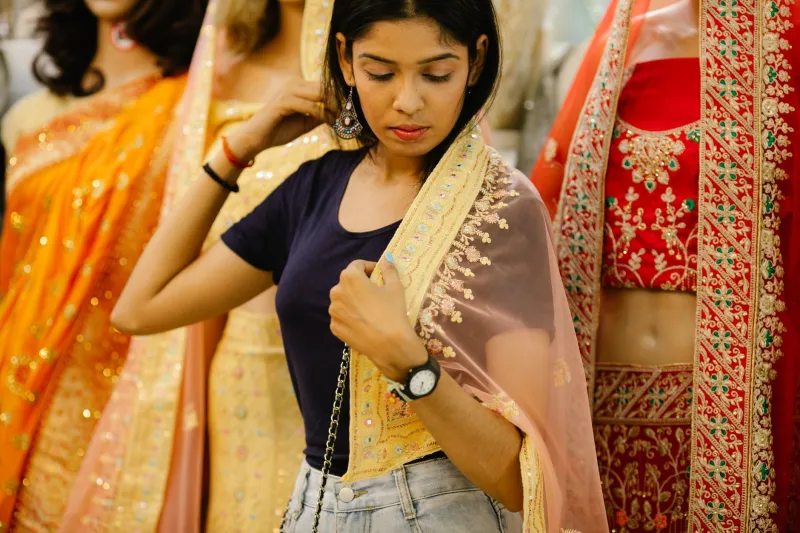
Scroll, Pin, Sell: How Desi Beauty Creators Are Inventing Products the Market Forgot to Make
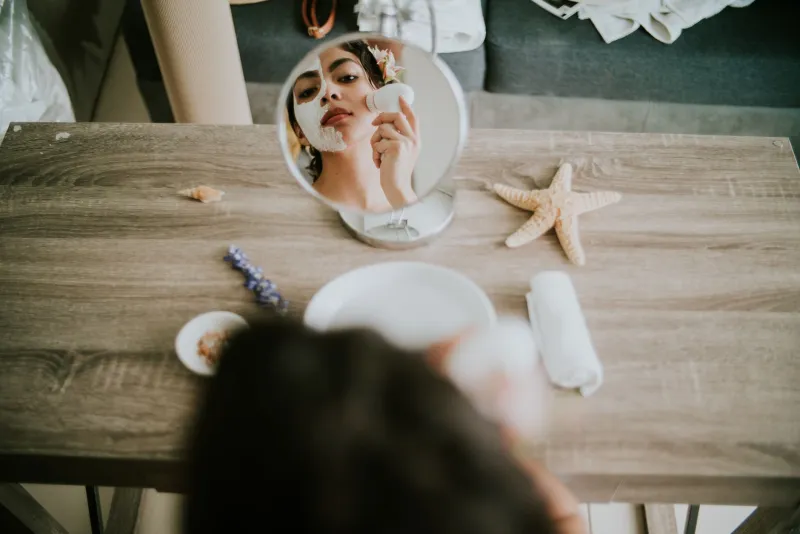
There's a specific kind of frustration that lives in the comments section of a Desi beauty tutorial. Someone shows you exactly how to make a turmeric-and-sandalwood paste that cleared their skin in two weeks, and within hours, a thousand people are typing the same thing: where do I actually buy this ready-made? That question — repeated across thousands of videos, reels, and pinned posts — is quietly becoming one of the most powerful product development signals in the ethnic beauty market right now.
South Asian creators didn't set out to be R&D departments. But that's essentially what's happening.
The Comment Section Is the Focus Group
Traditional consumer goods companies spend months running surveys and focus groups to figure out what people want. Desi beauty creators on Instagram and YouTube are getting that data in real time, for free, every time they post.
Take the hard water problem. Anyone who's moved from South Asia to the American Midwest or Southwest knows the feeling — hair that was thick and manageable back home suddenly starts breaking off, losing shine, feeling like straw. Creators started talking about it openly, sharing DIY rinses with amla, shikakai, and reetha. The videos blew up. The comments filled up with desperate requests for a bottled version that actually worked for chlorinated American tap water.
That's not a niche complaint. That's a product brief.
Some sellers spotted it fast. Small Desi-owned beauty brands — many of them operating out of home kitchens or small-batch facilities — started formulating ayurvedic hair oils and clarifying rinses specifically calibrated for high-mineral water. Not the generic coconut oil you find at any Indian grocery. Something targeted, labeled, and marketed directly at the diaspora experience.
Hyperspecific Is the New Mainstream
What makes this moment different from previous waves of ethnic beauty products is the specificity. It's not just "turmeric face mask" anymore. Creators are getting granular — discussing Fitzpatrick skin tones, hyperpigmentation patterns common in South Asian skin, the way certain American sunscreens leave a white cast that darker skin tones have complained about for decades.
And the audience is responding by demanding equally specific solutions.
A creator in New Jersey with 80,000 followers posts about kumkumadi oil for post-acne marks. Her comment section immediately splits into two camps: people who want to know the exact brand she uses, and people asking if there's a version without the fragrance because their skin is sensitive. That second group? They just told a seller exactly what formulation gap to fill.
Smart Desi marketplace sellers are learning to read these threads the way a stockbroker reads market signals. The comment section isn't just engagement — it's demand forecasting.
The Inventory Gamble Nobody Talks About
Here's the part that doesn't make it into the tutorial video: acting on those signals is genuinely risky.
When a product goes viral adjacent — meaning it's not the product itself but the need for it that goes viral — sellers have a narrow window. Move too slow and a mainstream brand (or Amazon's private label machine) fills the gap first. Move too fast and you're sitting on 500 units of a specialty rose water toner that the algorithm has already forgotten about.
Small Desi sellers don't have the cash cushion to absorb a bad inventory bet. A boutique seller on a platform like Apna Market might be able to order in smaller quantities and test demand more carefully than a big distributor, but even then, timing matters enormously.
Some sellers have started building informal relationships with creators before they post — sending samples, asking for honest feedback, offering to co-develop something. It's not sponsored content in the traditional sense. It's more like collaborative product testing with a built-in audience.
Community Validation Changes Everything
What makes Desi beauty content different from mainstream influencer culture is the weight of community validation. When a South Asian creator says a product works for her skin, her audience trusts that in a way they simply don't trust a general lifestyle influencer. There's shared context — similar skin undertones, similar hair textures, similar experiences of being sold products that weren't made with you in mind.
That trust is commercial gold, and sellers who understand it are building around it rather than just chasing it.
Some of the most successful small Desi beauty brands right now don't spend anything on traditional advertising. They send products to micro-creators with 10,000 to 50,000 followers — the ones whose audiences are deeply engaged and hyper-local — and let the community do the validation work. A comment from a real person saying "I have the same skin type and this actually worked" is worth more than any paid placement.
What Happens When the Algorithm Moves On
The uncomfortable truth underneath all of this is that trends move fast, and the Desi beauty space is not immune. A turmeric serum that's everywhere in March can feel dated by September. Sellers who built their entire inventory strategy around one viral moment are learning that the hard way.
The sellers who seem to be navigating this best are the ones treating creator-driven demand as a starting point rather than a finish line. They use the viral signal to identify a real, lasting need — hard water damage isn't going away, hyperpigmentation isn't a trend — and then build a product that outlasts the specific video that inspired it.
That's the shift from chasing content to building a category.
And for Desi sellers willing to do that work, the opportunity is real. The mainstream beauty industry has spent decades underdeveloping products for South Asian consumers. Every comment section full of unanswered questions is a market gap waiting to be filled — by someone who actually gets it.